Tomo Stojic pardoned despite Ivanjica court's opinion
The Basic Court in Ivanjica found no grounds for a pardon, but on September 27 Vucic pardoned the only person convicted over the deaths of two workers in Lucani.
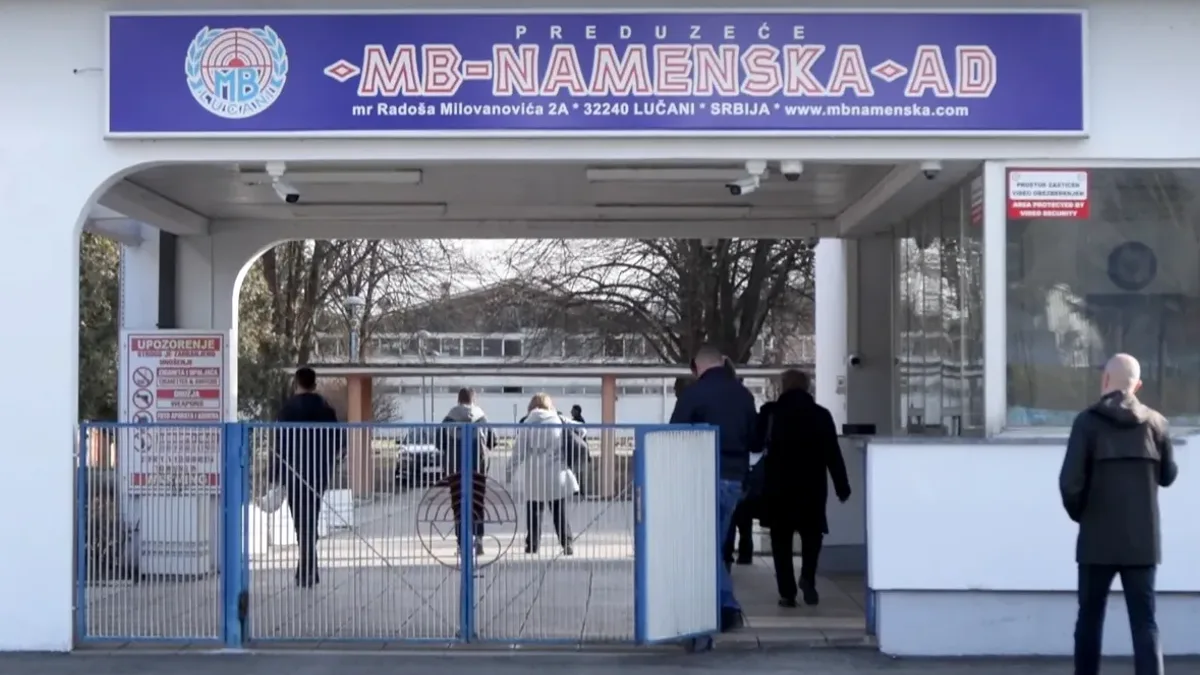
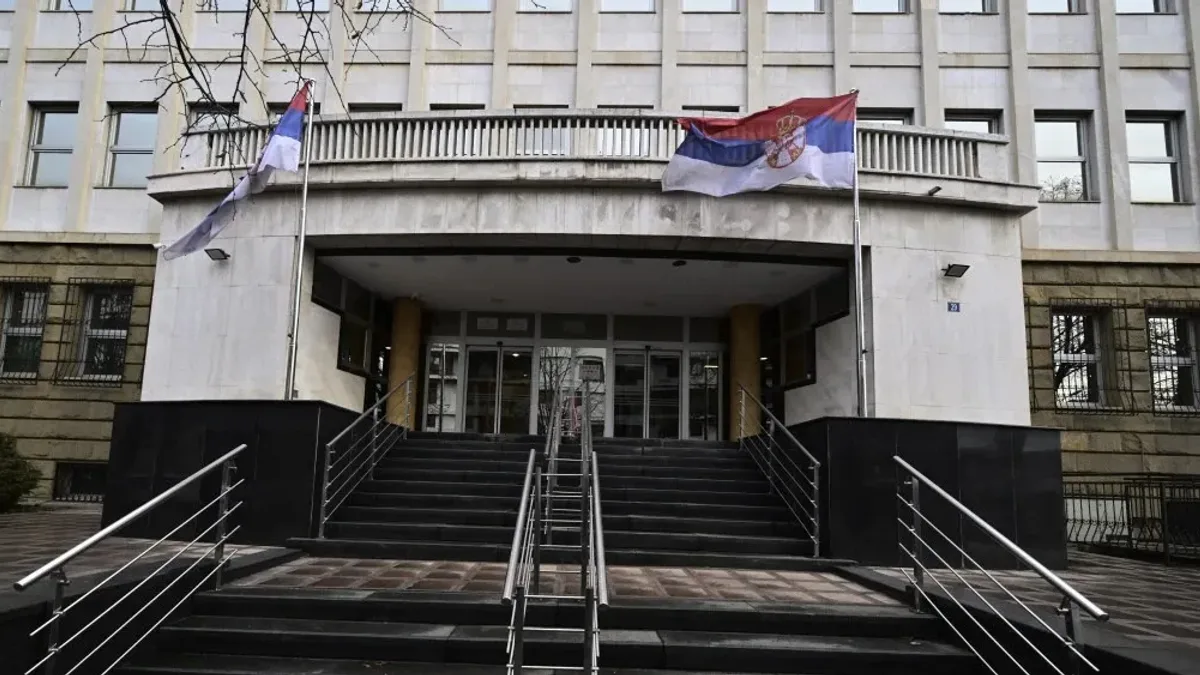
The Basic Court in Ivanjica concluded about 12 days before the pardon that there were no grounds to release Tomo Stojic from his sentence, but former president Aleksandar Vucic signed the pardon anyway on September 27, 2026. Stojic is the only one of three managers at the company “MB-Namenska” convicted over the deaths of two workers in a 2017 fire in Lucani. It was already known that he had been pardoned; the court’s opinion was made public on November 20 by BIRN, which saw both the opinion and the pardon decision itself.
What did the Ivanjica court write about Stojic’s request?
Stojic filed his pardon request about three months before Vucic’s decision. He argued that the proceedings had dragged on, that they had been closely covered by the media, that this caused stress and uncertainty, and that it harmed the health of both him and his family members. The court acknowledged that such circumstances can be grounds for a pardon, but concluded that in this case they were not enough. The opinion seen by BIRN states:
“…the purpose of punishment would not be achieved, nor would the goals of either general or individual prevention…”
The quote is reproduced as written in the court’s opinion, which misspells the word “individual” in the original.
Who is Tomo Stojic and why does the Lucani case matter?
Stojic was head of the occupational safety and health department at the “MB-Namenska” factory. The 2017 fire killed Milomir Milivojevic (25) and Milojko Ignjatovic (55). The indictment against factory director Rados Milovanovic and managers Vladimir Loncarevic and Stojic was filed in June 2019. Milovanovic died in April 2022, before a verdict, and the proceedings against him were dropped. Loncarevic and Stojic were twice sentenced at first instance to three years in prison each. In May 2025 the Court of Appeals in Kragujevac acquitted Loncarevic and reduced Stojic’s sentence to two years.
According to documents BIRN saw, Stojic never began serving his sentence and kept postponing it because of health problems. BIRN concludes that, unless the Milivojevic family’s appeals succeed, no one will serve a sentence for the deaths of the two workers.
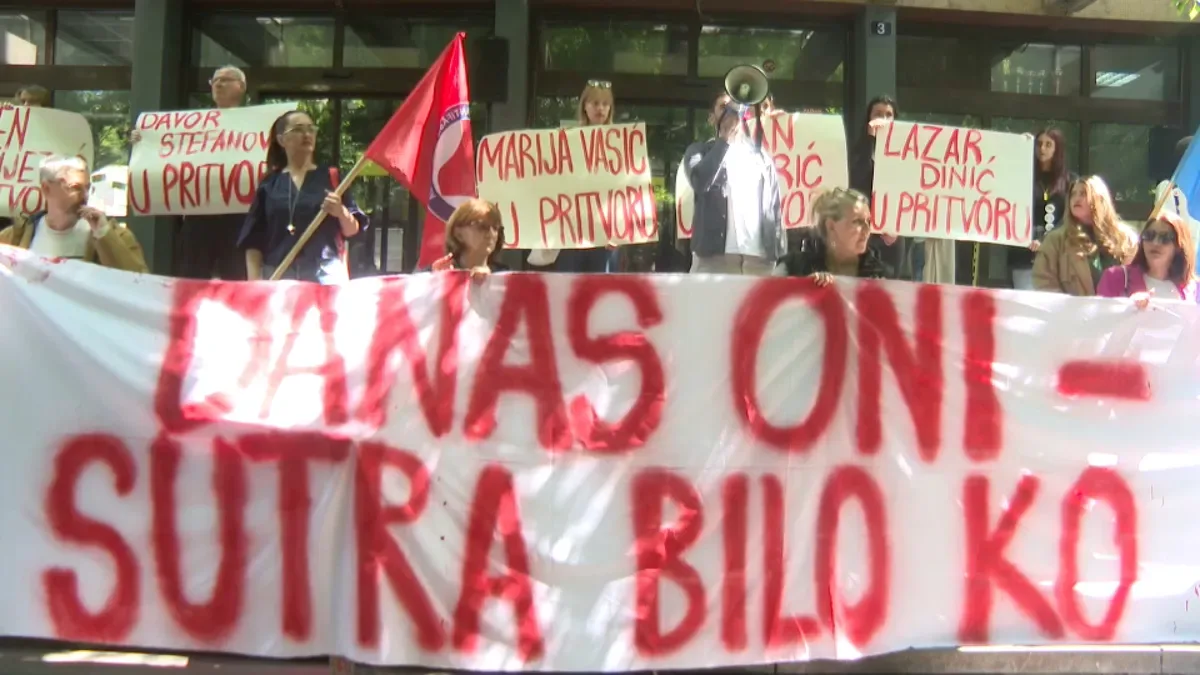
The case reached the public mainly thanks to the persistence of a dead worker’s father. Milovan Milivojevic turned down the company’s financial compensation and its offer to employ his daughter, and in 2019 he told Vucic that he could not “sell his 25-year-old child.” After news of the pardon broke, he told BBC News in Serbian:
“This is revenge against me, my son and my family”
According to BIRN’s article, neither the Ministry of Justice, nor Vucic, nor Stojic responded to its questions.
Does the president have to follow the court’s opinion?
No, and that is the crux of the whole dispute. Violeta Besirevic, a professor at Union University Law School and a member of the Pardons Commission under president Boris Tadic, told FoNet today that the procedure must be followed, but that neither the court’s opinion nor the justice minister’s opinion binds the president:
“That means the procedure has to be respected, but neither the justice minister’s opinion nor the first-instance court’s opinion is binding on the president under the current regulations when deciding whether to grant a pardon or not”
In her view, the court’s opinion should still carry weight, because a pardon is granted primarily on humanitarian grounds, such as severe health or financial hardship. She added:
“One logical, normal way for the president to act would be to take that court opinion into account, even though it does not bind him”
Besirevic also believes Stojic’s case is not an exception. She linked Vucic’s decision to his attitude toward institutions and to the election result:
“Of course, this is not the first time for him, and that is why he bears these results, that is why he lost the election because of this arrogance, and his role in Serbia’s political life will now shrink to a minimum, if not below a minimum”
Stojic is one of 49 people pardoned. Vucic pardoned them on September 27, shortly before resigning as president of Serbia.