Sentic Opens Proceedings Over Redzaj Remarks on Churches
Kosovo's deputy ombudsman Srdjan Sentic is reviewing a draft law on a cultural heritage inspectorate and statements by Self-Determination deputy Arber Redzaj.
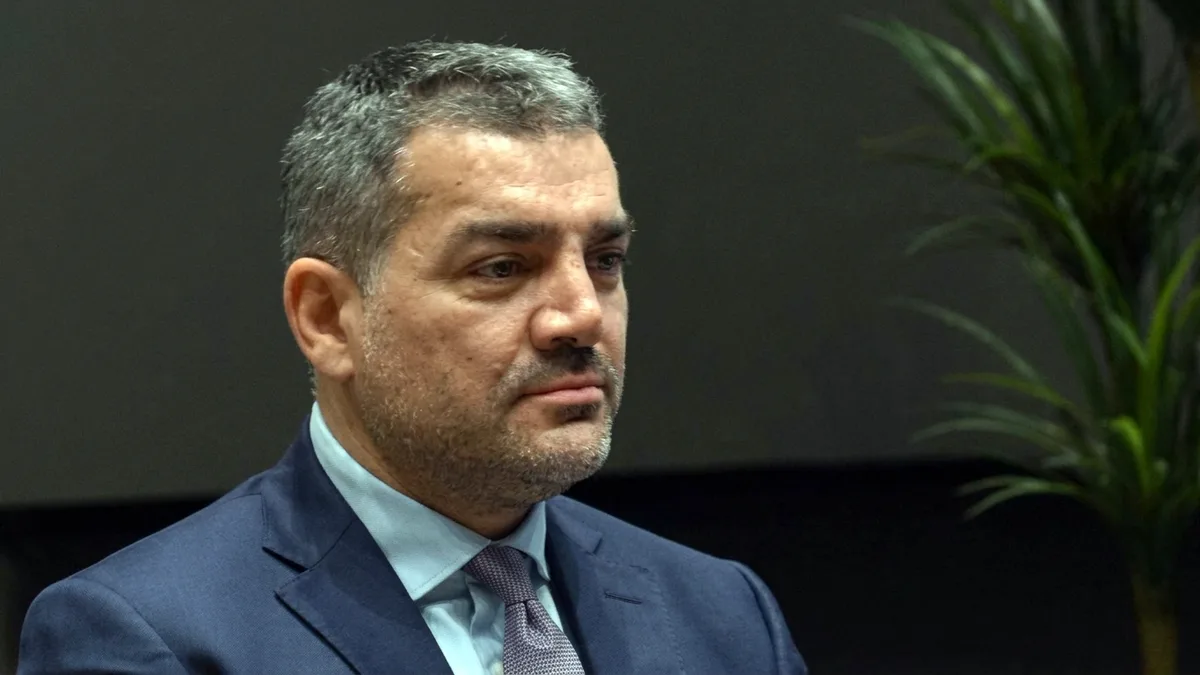
Srdjan Sentic, deputy ombudsman in Pristina, said on Facebook on November 23 that he has opened proceedings on his own initiative on two matters: the draft law on the Central Inspectorate for Cultural Heritage, and statements by some Self-Determination deputies about Serbian Orthodox holy sites. He says he acted within the mandate and powers of the ombudsman institution.
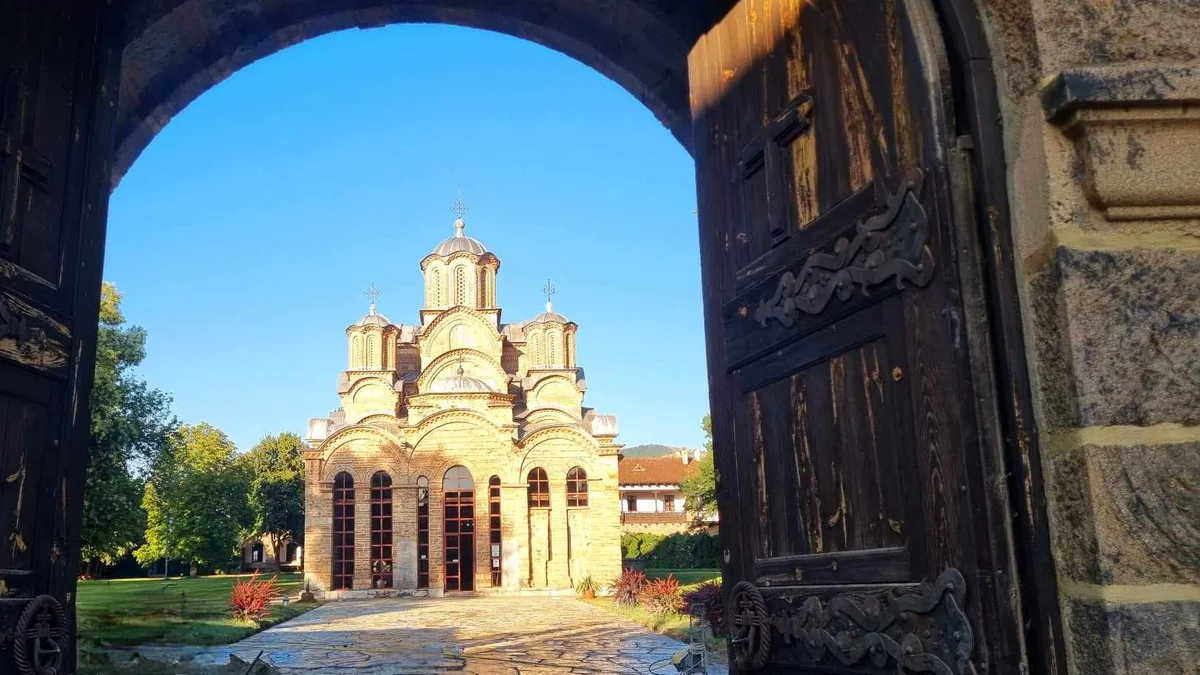
Sentic also backed the concern of the Diocese of Raska and Prizren over the draft law. Our portal reported on November 21 that the Serbian Orthodox Church was not consulted on the regulation, and now a dispute over what was said in the Kosovo Assembly during the debate on it has been added to the matter.
What did Arber Redzaj say in the Kosovo Assembly?
The disputed statements came from Self-Determination deputy Arber Redzaj in the night between November 19 and 20, during the first reading of the draft law, which carries the designation 11/L-023. He was responding to objections from Serbian deputies about the effects of the new inspection powers.
According to the Diocese of Raska and Prizren, Redzaj said that Orthodox churches served as “dungeons and bunkers for the elimination of Albanians,” disputed the Serbian identity of the holy sites, and claimed that the Ahtisaari Plan declared Albanian Orthodox heritage to be Serbian. The Diocese calls these claims unfounded and insulting and says they carry the hallmarks of hate speech.
The statement goes on to say that the Assembly chair did not interrupt the speech or issue a warning, and that the culture minister, who was present, did not distance herself from Redzaj’s words. The Diocese cites Articles 63 and 65 of the Assembly’s Rules of Procedure, which provide for the chair to respond to unparliamentary language.
“When such grave accusations are made from the parliamentary podium without any evidence, and there is no reaction from those responsible for order in the session, the impression is left that such an address is acceptable.”
That is how the statement puts it, and the Diocese also recalls the March 2004 pogrom: “The experience of the March 2004 pogrom warns us how dangerous an atmosphere can be in which inflammatory accusations spread unchecked.” Sources differ on the date of the condemnation: RTS mentions a statement from November 22, while Radio KIM published it on November 23 at 10:52. Redzaj’s response to these claims has not been published in the statements in question.
What does Sentic say in his post?
Sentic argues that statements by deputies who dispute Serbian heritage and speak of Albanians being detained and killed in churches are not only a matter of their own views, but also of the responsibility that comes with the parliamentary podium:
“Particularly worrying are the statements by some deputies who dispute Serbian Orthodox heritage, but also make grave accusations that Orthodox churches were used for the detention and killing of Albanians. Making such accusations from the parliamentary podium, without any evidence, is not only irresponsible, but contributes to further stoking national and religious intolerance.”
He then points to events from 1999, when monks of the Visoki Decani monastery sheltered about 200 Albanian civilians:
“In the Visoki Decani monastery in 1999, the monks gave shelter to about 200 Albanian civilians and helped them to safety. Not only Church representatives testified to this, but also the Albanians themselves who found protection in the monastery. Their testimonies were published by BIRN and the German Federal Agency for Civic Education, and The New York Times also wrote about this humane act.”
Who else has spoken out on the draft law?
Serbian Democracy wants the draft returned for consultations with the Diocese of Raska and Prizren. The party also demands explicit protection for the Law on Special Protected Zones and the existing oversight mechanisms, and a clarification of whether the adoption procedure complies with Article 81 of the Kosovo Constitution. It calls on the European Union, the OSCE and other international representatives to get involved.
The Kosovo Alliance responded with a statement signed by Goran Marinkovic. It says Redzaj’s address deepens ethnic divisions, and it also criticizes Prime Minister Albin Kurti. The Alliance calls the measure the law on the Central Inspectorate for Religious and Cultural Heritage, while other sources call it the law on the Central Inspectorate for Cultural Heritage.
The Diocese has asked Kosovo institutions to condemn such conduct, and asked international representatives to discuss the matter with the leadership of the Kosovo Assembly and to insist, during further consideration of the draft, that the existing rights of the Serbian Orthodox Church be respected.