Evian Opens G7 Summit: Iran and Hormuz Top the Agenda
The three-day G7 summit begins in Evian-les-Bains, where Macron ties regional stability to free passage through Hormuz, as Trump arrives for his first face-to-face with the French president.

- The G7 summit runs in Evian-les-Bains, France, from June 15 to June 17, 2026
- Macron said the resumption of maritime traffic through Hormuz, without restriction or toll, is an indispensable condition for regional stability
- Trump arrives at the summit, where his first face-to-face meeting with Macron is expected
- Ukrainian President Zelensky and Syrian President Ahmed al-Sharaa have also been invited
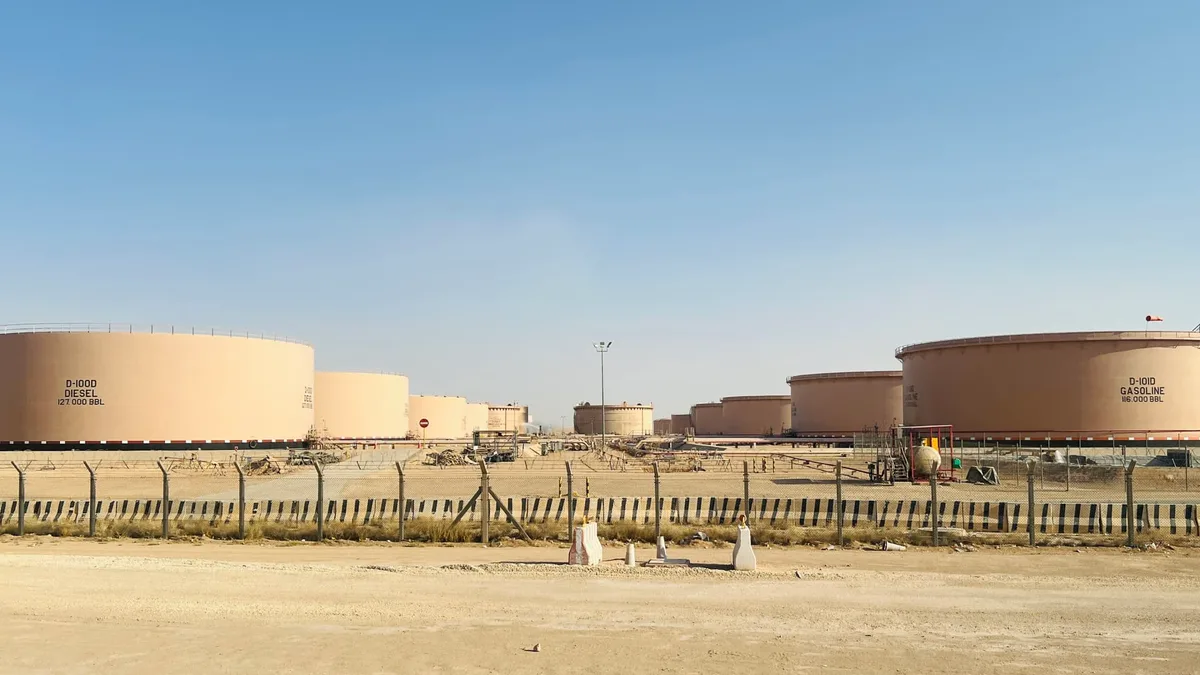
For Serbia, a country that builds its energy balance between Russian gas, Middle Eastern oil and its European prospects, what is decided today on the shore of Lake Geneva is not distant diplomacy. The Strait of Hormuz, which once carried roughly 20 percent of the world’s oil supply, is part of the same chain that sets the price of fuel at filling stations in Belgrade. That is why the three-day summit of the seven leading Western economies, hosted by French President Emmanuel Macron in Evian-les-Bains from June 15 to June 17, deserves attention from this end of the continent too.
Macron arrived in Evian with a clearly stated priority. Iran, the fate of Hormuz and support for Lebanon dominate the agenda, and the French president distilled his position into a single sentence posted on X: the resumption of maritime traffic, without restriction or toll, is an indispensable condition for regional stability. With that, Paris turned Hormuz into a test, not only for Tehran but for the G7’s ability to speak with one voice.
What exactly is on the table in Evian?
The agenda spreads across four interlocking points. The first is the consequences of the recent regional agreement and how to make them stick. The second is support for Lebanon, a state that has balanced on the edge of institutional collapse for years. The third is the permanent reopening of Hormuz, which Macron frames as a red line for global energy trade. The fourth, and hardest, is a comprehensive accord on Iran’s nuclear program, a file that has resisted every negotiating framework for decades.
Paris has also invited guests from beyond the G7 club. Ukrainian President Volodymyr Zelensky is coming to probe the prospects for negotiations, while Syrian President Ahmed al-Sharaa has been invited in a move that, if accepted, would mark the first appearance of a Syrian leader at a summit of this group. The guest list reveals the ambition of the French host: to make Evian a place where crises are not merely discussed but where channels for resolving them are opened.
Why is Trump’s arrival the key to the whole summit?
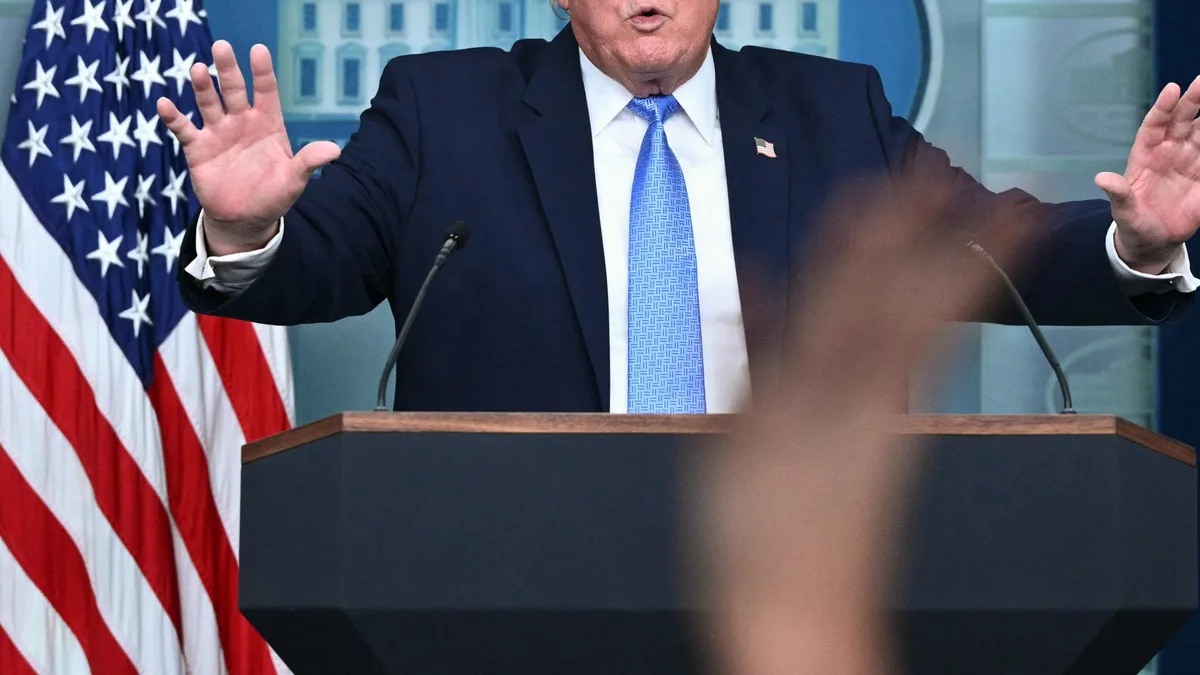
The biggest unknown is not the content of the agenda but the dynamic between two men. US President Donald Trump comes to Evian after the release of a memorandum that defined the preceding days, and his first in-person meeting with Macron is expected. That session, scheduled for Monday night, will test how far the transatlantic relationship now rests on personal rapport, and how far on the institutional machinery that held it together for decades.
For the European members of the G7, Germany, Italy and France itself, the stakes are twofold. They want Washington to stay engaged in the Middle Eastern equation, because without American weight the pressure on Tehran loses its edge. At the same time, they do not want European priorities, from Ukraine to energy security, sidelined by the personal agenda of the US president. That is precisely why Macron framed Hormuz as a shared rather than a French goal: it is easier to rally allies around the principle of free navigation than around a contested nuclear file.
Evian thus becomes more than a picturesque backdrop on Lake Geneva. It becomes the place where it is measured whether the G7 can still turn declarations into leverage. Will the group photograph conceal a genuinely coordinated policy on Iran, or merely a set of parallel national calculations that meet only on paper?