Trump declares Iran deal done as Hormuz reopens
Washington has announced a complete agreement with Tehran and the lifting of the naval blockade, with a memorandum of understanding expected to be signed on June 19 in Switzerland.

- Donald Trump declared the deal with Iran complete and ordered the reopening of Hormuz toll-free, alongside the removal of the naval blockade.
- A memorandum of understanding is due to be signed on Friday, June 19, 2026, in Switzerland.
- Iranian media cite a 14-point draft, the lifting of oil sanctions and the reopening of the strait within 30 days.
- Detailed nuclear talks have been deferred to a 60-day technical track after signing.
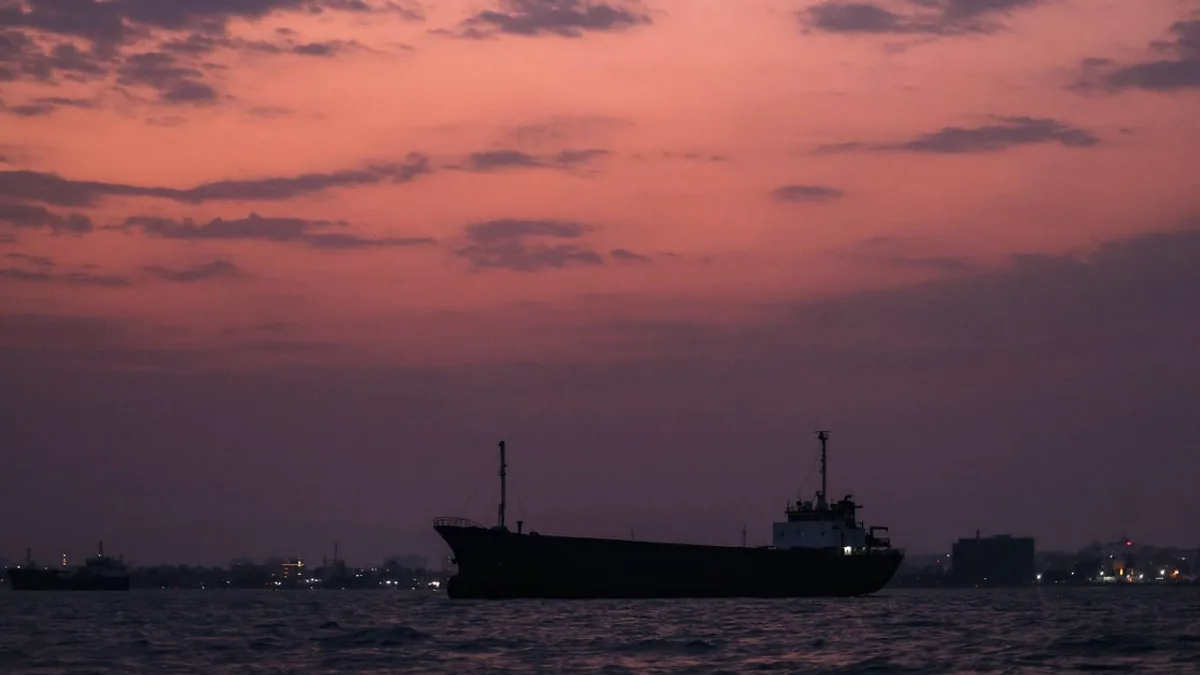
For a country that pays for every liter of fuel at a price set thousands of kilometers away, news that the Strait of Hormuz is reopening is no abstract diplomatic episode but a direct signal for filling stations in Serbia. United States President Donald Trump said the agreement with the Islamic Republic of Iran is now complete and ordered the strait reopened toll-free, along with the removal of a naval blockade that had weighed on the oil market for weeks and driven up shipping insurance costs. If the announced agreement is signed on the planned timeline, it could ease pressure on energy prices that every import-reliant economy in the Balkans feels with each shift in the Gulf.
Washington says the memorandum of understanding is due to be signed on Friday, June 19, on neutral ground in Switzerland. The Iranian side, according to the Mehr news agency, speaks of a 14-point draft envisaging the lifting of oil sanctions and the reopening of Hormuz within 30 days. Tehran, per the same accounts, commits in principle not to enrich uranium for the next 15 to 20 years and to dismantle certain nuclear sites, while a detailed nuclear arrangement would be the subject of technical talks lasting 60 days after signing.
What does the deal actually change on the ground?
The Strait of Hormuz is a narrow gateway through which nearly a fifth of the world’s oil passes, so any threat to close it instantly moves markets and insurance premiums. A toll-free reopening and the withdrawal of the naval blockade would mean tankers sailing again without extraordinary costs, and within weeks that feeds through to retail fuel prices in import economies. For Serbia, which depends on imported crude and petroleum products, a calmer Gulf is news measured in dinars at the pump, not only in headlines.
The mediation was reportedly led by Pakistani Prime Minister Shehbaz Sharif, who said that peace has never been as close as it is now. Such an assessment should be read with the caution that befits any announced but still unsigned Middle East agreement, where past declarations of a breakthrough have a habit of stalling on technical detail. Iran’s claims of a 14-point draft and Washington’s assertion of a complete deal rest, for now, on statements and media readings rather than a published text of the memorandum.
How do Brussels and the region view the breakthrough?
The European Union has for years balanced its sanctions regime toward Tehran against the need for stable energy supply, so a US-Iran arrangement, if signed, would raise the question of aligning the European approach with a new reality in the Gulf. For candidate countries, Serbia among them, any relief on the oil market cuts both ways: in the short term it lowers the import price, and in the long term it reshapes the calculus of energy dependence that Brussels weighs at every step of enlargement.
The memorandum due to be signed on June 19 will show whether this is a lasting turn or a pause in the long contest over the nuclear program and control of one of the world’s most important shipping lanes. The signing date is now known, the draft terms are on the table, and the technical talks are still ahead. Do you believe this agreement will survive the 60 days of negotiations that await it after signing?