Zagreb Rally Draws 33,000, Croatia Sets Gospic Deadline
The Gospic waste protest drew tens of thousands to Zagreb, and the government now has 20 days to publish a cleanup plan and three months to remove the illegally dumped waste.

Ban Jelacic Square in Zagreb was packed from morning until afternoon on Saturday, September 5, and the reason behind it is not just a domestic Croatian matter as far as Serbia is concerned. How Croatia, a European Union member since 2013, enforces its own environmental protection laws is a direct benchmark for what awaits Belgrade in accession chapter 27, the same chapter that covers waste, water and air. The Zagreb protest showed just how long enforcement of that kind of legislation can lag, even inside the Union itself.
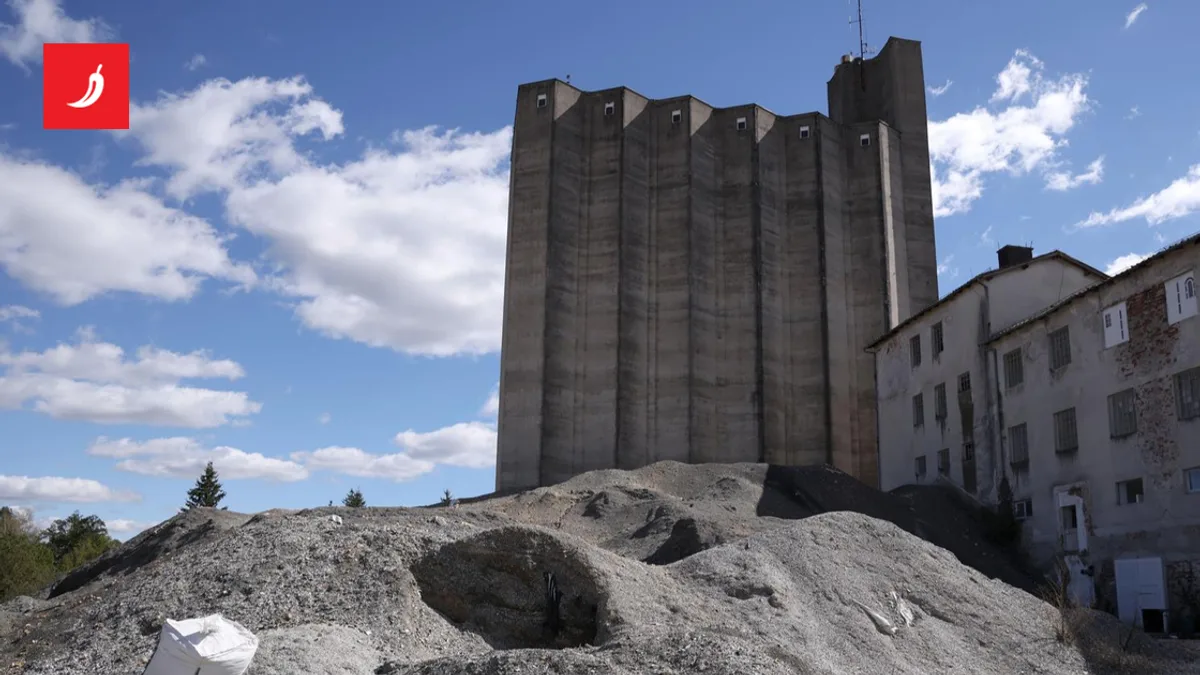
The civic initiative Gospic Is Our Home organized the protest, called Walk for Lika, Walk for Croatia, after it emerged that hazardous waste had been illegally dumped for two and a half years on the grounds of the Velebit agri-food combine near Gospic before the case became public. The gathering began at 11 a.m. at King Tomislav Square, from where the crowd marched to Ban Jelacic Square, where the main part of the program started at noon. According to the official schedule, the rally was set to run until 1:40 p.m.
There is no single agreed count of how many people showed up, and that gap is worth noting rather than repeating just one figure. The news outlet Index.hr and Croatian Radiotelevision (HRT) described the crowd as tens of thousands, without giving an exact number, while the organizers themselves estimated around 30,000 people on the square. The outlet Reporter.hr calculated, based on an aerial photograph, the square’s area of roughly 12,000 square meters and a density of 2.5 to 3 people per square meter, that between 27,000 and 33,000 people filled the square itself and the approach streets of Ilica, Radiceva, Gajeva and Praska.
What is the initiative demanding from the government?
A list of demands with concrete deadlines was read from the stage:
- that the government present a complete remediation plan for the illegal dump within 20 days
- that the buried waste be removed within three months
- that the Rakitovac landfill be included in the national waste management plan
- that long-term monitoring of soil, water and air be introduced, involving independent experts
- that the Environmental Protection Act be amended to include a collective protection mechanism
- that the import of waste into Croatia be temporarily banned
Sources disagree on the exact volume of waste involved. Index.hr reports that 37,000 tons of hazardous waste were illegally dumped near Gospic, while HRT puts the figure at 33,000 tons of buried waste, and it is that 33,000 ton figure that appears in the initiative’s official three month removal deadline.
The most emotional address from the stage came from Zeljka Sikic, a Gospic resident who lives about fifty meters from the silo where the waste was buried.
I am a mother who is dying of fear for her children. You have handed us over to the eco-mafia.
Vjekoslav Busic, of the Gospic Is Our Home initiative, demanded that the waste import ban take effect immediately, not from tomorrow.
Ban the temporary import of any kind of waste urgently, right now, not from tomorrow but from today.
The government’s first official response came on Saturday from Tomo Medved, deputy prime minister and minister of Croatian war veterans. He said the government was well aware of the situation in Gospic and was handling the dump’s remediation lawfully, systematically, responsibly and transparently, and he dismissed the moves of the opposition parties SDP, Mozemo and Most as pure politicking. Prime Minister Andrej Plenkovic, whose HDZ party was the target of most of the banners on the square, was in Italy at the time of the protest.
Our outlet had already covered the preparations for this rally, in the article Zagreb: Walk for Lika protest over Gospic waste.
For the region, the message from Zagreb reads beyond the Croatian context. The demand to introduce a collective protection mechanism into the environmental protection law, which is also backed by initiatives from Dalmatia, points to the same kind of legal gap that domestic institutions run into while aligning their own chapter 27 with European standards. Zagreb now has 20 days to respond with a plan, meaning by September 25, and three months, until early December, to show whether the buried waste has actually been removed.