Gospic: Microplastics Reach Groundwater
Forensic testing has found microplastics and forever chemicals in groundwater near Gospic, at an illegal dump fed by waste imported from Italy and Slovenia. Turudic has announced three more reports.

Croatia is going through one of its biggest environmental scandals since joining the European Union this summer, and forensic results released this week show that pollution from an illegal dump near Gospic has not stayed on the surface. It has reached the groundwater. For Serbia, which is currently opening one of the toughest chapters in its own EU accession talks, the one on the environment, the Croatian case is a warning: waste imported from two EU member states, Italy and Slovenia, was buried for decades in the karst terrain of Lika, and a country that has already been in the Union for thirteen years is now measuring the fallout.
What the Testing Found
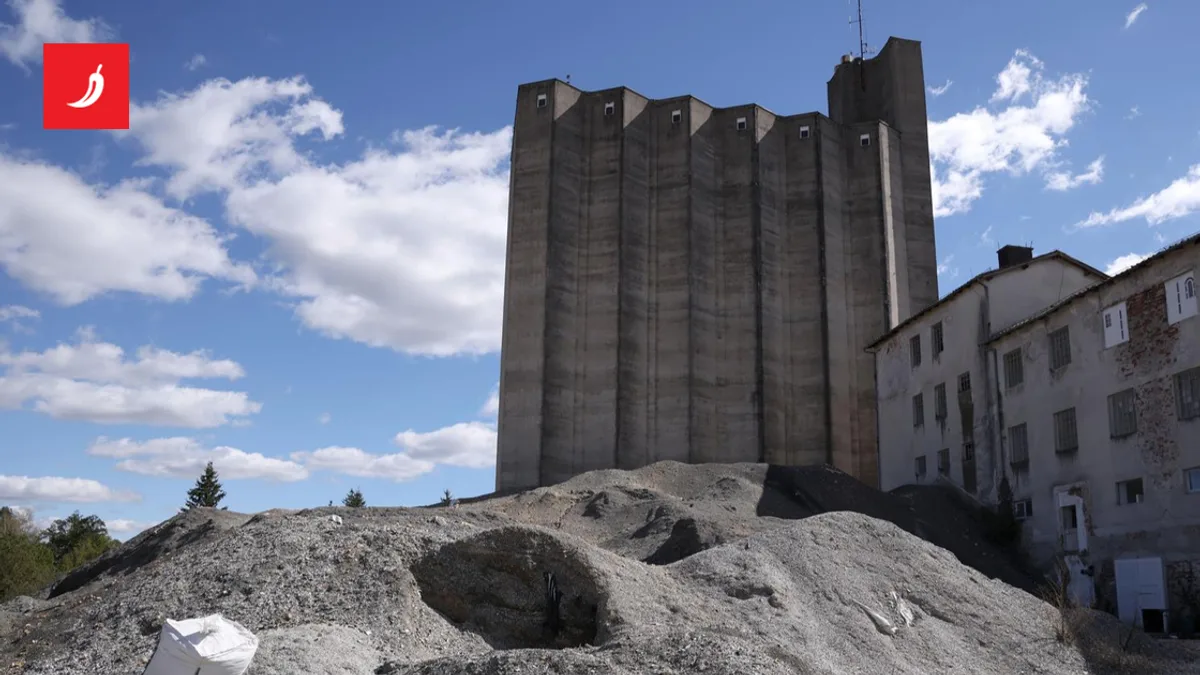
USKOK, Croatia’s anti-corruption and organized crime prosecution office, released the findings of an expert study by the Josip Juraj Strossmayer Water Institute on groundwater around the illegal dump in Divoselo near Gospic, citing a justified public interest. The site sits on the grounds of the former Velebit meat processing plant. Samples were taken at three points: upstream of the dump, right at the waste itself, and downstream, and the difference was stark. Downstream of the dump, testers measured 737 micrograms of polystyrene, essentially styrofoam, per liter of water, while water passing directly through the dump carried 89 percent of all the plastic detected in the study.
Alongside polystyrene, the experts found polyethylene, polypropylene and PET packaging plastic, all in particles as small as five micrometers, far too small to see with the naked eye. Spectroscopic analysis also turned up polytetrafluoroethylene, better known as Teflon, a member of the so called forever chemicals that barely break down in nature. According to the findings, the contamination is moving through cracks in the karst rock toward the Lika River.
A second part of the investigation covers two sites in Varazdin. At the northern site, investigators found roughly 1,352 tons of mixed waste, with microplastics present in nearly every layer of soil and elevated levels of dissolved organic carbon. At the southern site, they found at least 30 tons of sludge, along with traces of heavy metals and microbiological contamination. An earlier analysis by the Faculty of Geotechnical Engineering had already found that the wider Gospic dump site had permanently destroyed roughly 18,000 square meters of habitat.
Turudic Announces Three More Reports
Croatia’s chief state prosecutor, Ivan Turudic, said during a visit to the prosecutor’s office in Slavonski Brod that three more reports from the same investigation will be released soon, adding to the four already made public. Asked why his office is disclosing this kind of material at all, he explained:
“In June we adopted amendments to the rules of procedure for the State Attorney’s Office, which gave us a tool that lets the state attorney decide, at his own discretion, that if there is a public interest, certain developments in the evidence gathering or the inquiry can be disclosed.”
Turudic presented the findings as proof that Croatian institutions are doing their job, at a moment when public trust in the state has been further shaken by the scandal.
The investigation has been running since February of last year, when USKOK opened a case against a married couple, Josip and Monika Sincek, eight other individuals and four companies, on suspicion of organizing the import of shredded plastic and other mixed waste from Slovenia and Italy. Investigators say roughly 37,000 tons of waste remain buried at the sites. In March this year, the case was expanded to include new suspects and the dumping of at least 2,640 tons of waste in the Senj area. Among those named as suspects are Franciska Dodic and Jerko Kostelac, an adviser in Lika-Senj County.
A Political Shock, and a Question Still Unanswered
The case has hit the ruling Croatian Democratic Union hard. A September opinion poll put the party’s support at 25.3 percent, down from 27 percent in July, and the release of the findings came just two days after a protest called Walk for Lika, Walk for Croatia drew tens of thousands of people onto the streets of Zagreb.
The Croatian outlet Index, cited by Tanjug, publicly asked USKOK why the test results were only made public a full month after they were completed. The prosecution has yet to explain the gap between finishing the report and releasing it.
For Belgrade and the rest of the region, the Croatian case is a reminder that EU membership on its own does not stop cross border waste trafficking, not as long as the gap in disposal costs between Western Europe and the Balkans stays this wide. Turudic has said the remaining three reports will be published very soon, but no date has been set.