

Gospic: strontium-90 in soil up 961%, inspection on
At the Gospic monitoring site, strontium-90 activity rose from 24.5 to 260 becquerels per square meter. Inspectors are reviewing it, the ministry sees no need for new tests.
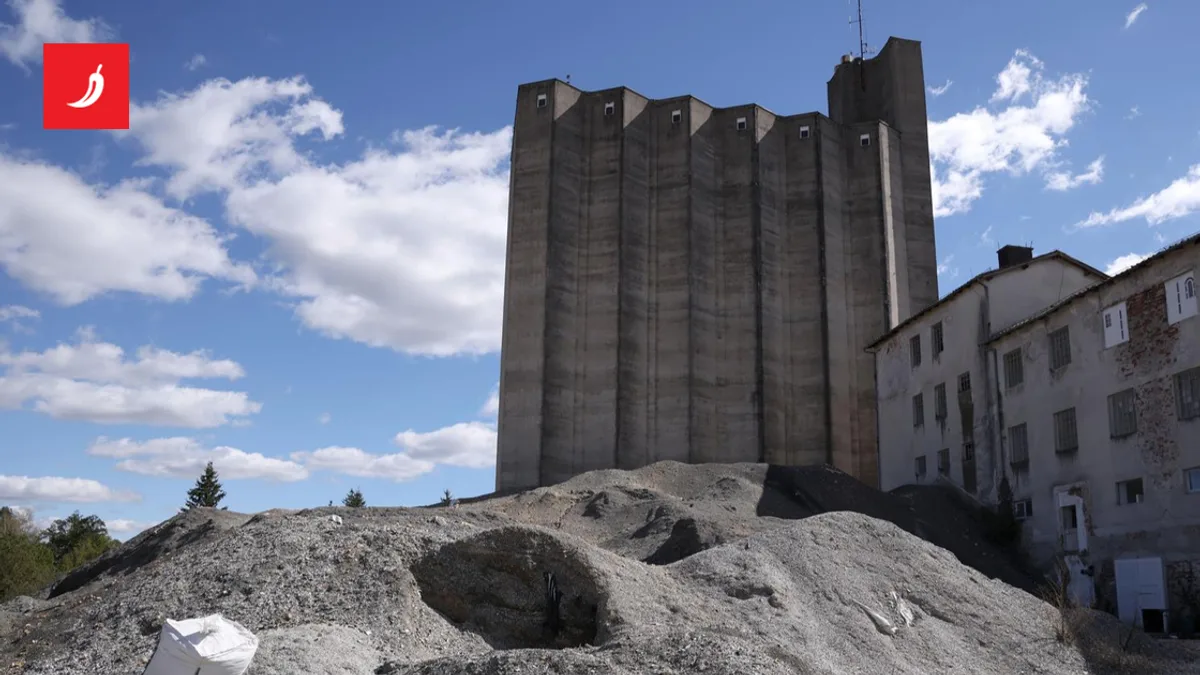
In neighboring Croatia, the State Inspectorate is carrying out a review in Gospic after it emerged that the activity of radioactive strontium-90 in the soil at the local monitoring site has risen by 961 percent in two years. Chief State Inspector Tonci Glavinic confirmed it to reporters on October 8, ahead of a ceremonial session of the Croatian Parliament, while the Interior Ministry says there is no professional basis for new measurements.
What do the Gospic measurements show?
The data come from the regular annual reports of the Zagreb Institute for Medical Research and Occupational Health, published on the pages of the Interior Ministry and the Civil Protection Directorate. At the monitoring site near Gospic, strontium-90 activity in the topsoil was 24.5 becquerels per square meter in 2023 and 260 becquerels in 2025. That is almost eleven times higher.
Measurements per kilogram of sample show the same trend: the value rose from 0.605 becquerels to 4.08 becquerels, nearly sevenfold. In Zagreb, activity per square meter rose from 56.3 to 108 becquerels. At the other four sites, Buzet and Pula, Zadar, Osijek and Opuzen, the 2025 values were lower than those from 2023.
Strontium-90 does not occur naturally. It is produced by nuclear fission, in reactors and in nuclear weapon explosions. Its nucleus decays over time and releases radiation that can damage living cells.
What did the chief state inspector say?
Asked about Gospic, Glavinic answered briefly, adding that he would say more only once the inspection report arrives:
“As for the part concerning Gospic, at this moment I can tell you that an inspection is under way, and once I receive the report I will be able to communicate more.”
He did not say when the report might arrive.
Why does the ministry see no reason for new tests?
In a written reply to a query from the news portal Index, the Interior Ministry said there is “no professional basis for additional measurements of radioactivity in the soil” in Gospic. As its reasoning, it says the 2025 value is not a historical record: from 2002 to 2013, results at that site ranged from 29 to 440 becquerels per square meter, and the highest value, 440, was measured in 2003. Therefore, as the reply puts it, “there is no evidence of an increase in soil radioactivity in the Gospic area.”
The ministry adds that measurements at that location were temporarily suspended from 2014 to 2022 to rationalize costs and reduce the scope of the program. Gospic was returned to the monitoring program only in 2023, so, according to the ministry, in the past 25 years measurements there have been taken and published seven times.
The ministry explains the presence of strontium-90 in the environment by global contamination from atmospheric nuclear weapon tests in the 1950s and 1960s and by the Chernobyl accident in 1986. The ministry cites this for the presence of the substance in the environment in general, not for Gospic in particular.
What does the institute that took the measurements say?
The Radiation Protection Unit at the Zagreb institute, in its reply to Index, assesses that the rise stays within the usual range of fluctuation. The ministry also says that in 2024 and 2025 the Radiological and Nuclear Safety Inspectorate received no notice from the institute about values above usual fluctuations. The institute explains why it sent none:
“The rise in the activity concentration of Sr-90 in soil in the period 2023 to 2025 was not assessed as something that falls outside the range of fluctuations.”
As the reason for the fluctuations, the unit says these are environmental samples, in which concentration can vary even within a single square meter at the same location, and values close to the detection limit, which makes the method less precise. The institute also stresses that “there are no legally prescribed limits for the activity of radioactive substances in soil,” so a result could be considered alarming only if it greatly exceeds long-term values measured earlier, which, it says, is not the case here.
Where do the sources differ?
The figures are not disputed by any side: 24.5 becquerels in 2023 and 260 becquerels in 2025. The assessments differ. The State Inspectorate has already opened a review, while the ministry and the institute say the result is not an anomaly and that there was therefore no basis to notify the inspectorate. Whether the review confirms that depends on the report Glavinic announced, and no deadline for it is known.


