Gospic Waste Case: Dodic, Teufel Brought to USKOK
Police acted on USKOK orders in four cities over waste buried in Gospic, Benkovac and Senj; those caught up include a jeweler and a Cezar management board member.
Croatian police moved this morning, October 9, 2026, to make arrests and carry out urgent evidence-gathering in Zagreb, Karlovac, Cakovec and Senj, on the orders of the Office for the Suppression of Corruption and Organized Crime (USKOK). For readers in Serbia this is news from next door, but also a case study in how far waste falsely labeled as recyclable raw material can travel: according to investigators it was trucked into Croatia from Slovenia and Italy, and Europol also names Germany.
USKOK confirmed that several people were arrested on suspicion of serious environmental crimes committed as part of a criminal organization. The total number of arrests has not been released, and the next steps will be decided after the suspects are questioned. We previously reported on the strontium 90 finding in Gospic soil, which jumped 961 percent; today’s arrests are a new development in the same investigation.
Who is covered by the widened investigation?
Sources disagree on who was actually arrested and who is merely under investigation, so the distinction is kept here:
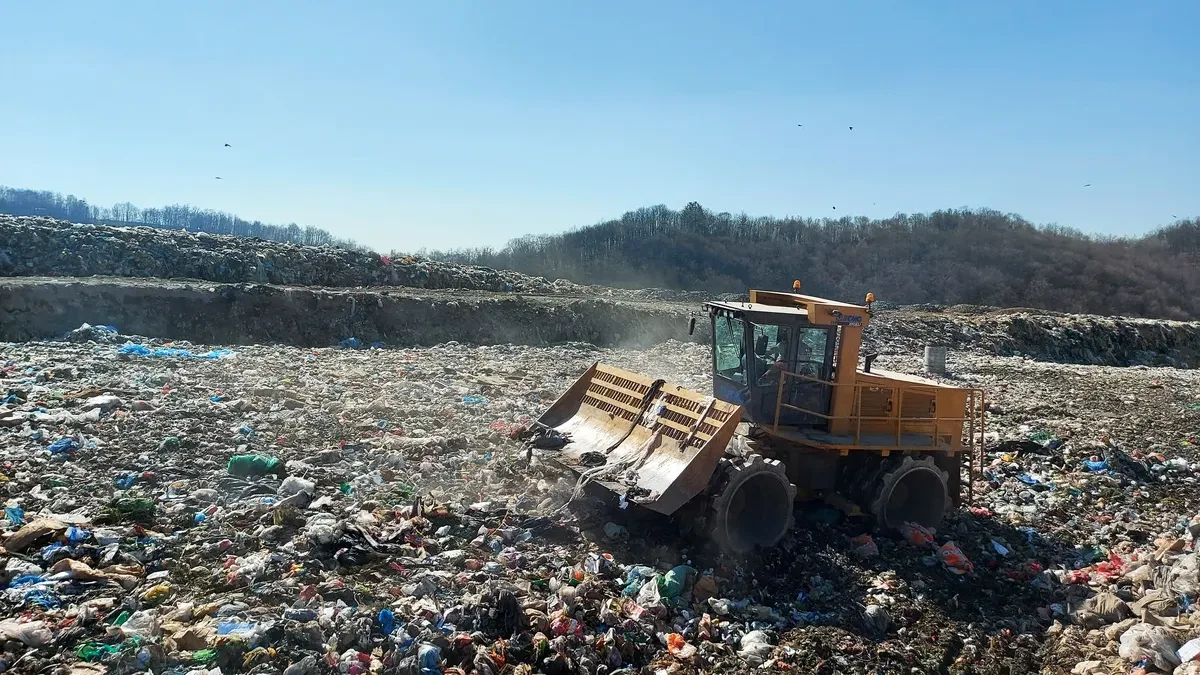
- Pasko Dodic, a Zagreb jeweler and businessman, was arrested according to N1. He owns land in Benkovacko Selo, a former quarry where experts found at least 6,427 tons of illegally dumped waste: plastic, tires, textiles, metal and construction material.
- Zeljko Teufel, a management board member at Cezar, a company in Petar Pripuz’s Cios group, was brought to USKOK headquarters on Zagreb’s Branimirova Street together with Dodic. None of the sources explicitly says he was arrested; unofficially, he is covered by the investigation.
- Dorian Sipos, a supervising engineer linked to the Benkovac site, was arrested in Cakovec.
- Snjeza Tomljanovic, director of the Senj municipal utility company, was arrested according to N1 and one Index article. A second Index article spells her name Snjezana and says only that she is covered by the investigation, along with Toni Zunic from the same company.
According to unofficial information, Cezar is also being investigated as a legal entity.
What is known about Benkovac and Cezar?
Dodic’s wife, Franciska Dodic, was already covered by the earlier investigation along with Josip and Monika Sincek, while Pasko Dodic was not among the suspects then. His name also comes up in previously intercepted conversations: in one, Josip Sincek said that arrangements had already been made with him about paperwork and work at the Benkovac site.
According to investigators’ findings so far, Cezar sold waste plastic to the Sincek couple and paid for its transport from a plant in Sisak. Part of that waste, which on paper was supposed to end up in Gospic or Varazdin, is suspected by investigators of ending up in the quarry in Benkovacko Selo as well.
How did the investigation reach Senj?
Josip and Monika Sincek, owners of the company Tipos Resurs, were arrested in February 2025. USKOK claims that Josip Sincek, a businessman from Varazdin, ran a group that imported shredded plastic and mixed waste from Slovenia and Italy and presented it as plastic for recycling. On March 23, 2026, the investigation was widened to Senj, on suspicion that at least 2,640 tons of waste containing harmful and hazardous substances ended up at a landfill above Sveti Juraj.
City councilor Hrvoje Bezjak had been warning about that waste for months. He obtained a contract between the utility company and Tipos Resurs that was valid from February 11, 2020 to April 30, 2021, and the director filed a private lawsuit against him over his statements about the waste. When the investigation was widened to Senj, Bezjak said:
“What I have been saying for a year has now received official confirmation”
The lawsuit, as he said in March, also concerned his calling the dumping of hazardous waste ecocide. “She is suing me for calling the dumping of hazardous waste ecocide,” Bezjak told Novi list.
The scale in Gospic
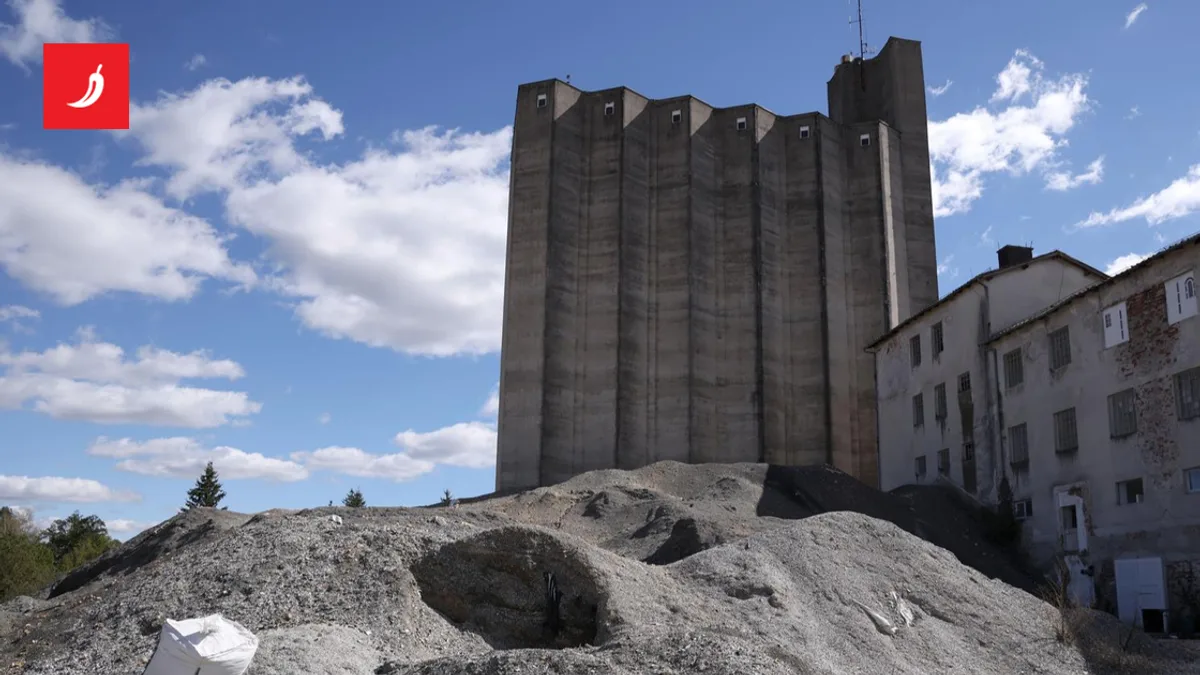
Remediation of the PPK Velebit complex in Gospic is estimated at more than 55 million euros. About 33,000 tons of buried material is being covered with a waterproof membrane to stop hazardous substances from leaching further into the soil, and final disposal of the hazardous waste is planned outside Croatia, once procurement procedures are complete. Findings from the Faculty of Geotechnical Engineering in Zagreb confirmed soil contamination with heavy metals and elevated concentrations of PFAS compounds in groundwater downstream of the site; contamination of the public water supply has not been established. On September 5, several tens of thousands of people protested in Zagreb over the hazardous waste in Gospic.
The details of the suspicions that today’s operation attaches to individual people have not yet been officially published, and USKOK will decide after questioning whether to seek pretrial detention.