Mandic Dismissal Left Off Montenegro Parliament Agenda
Milan Knezevic's Democratic People's Party refused to let the motion to remove the Montenegrin parliament speaker onto the agenda, and the DPS says it will not vote with the majority.
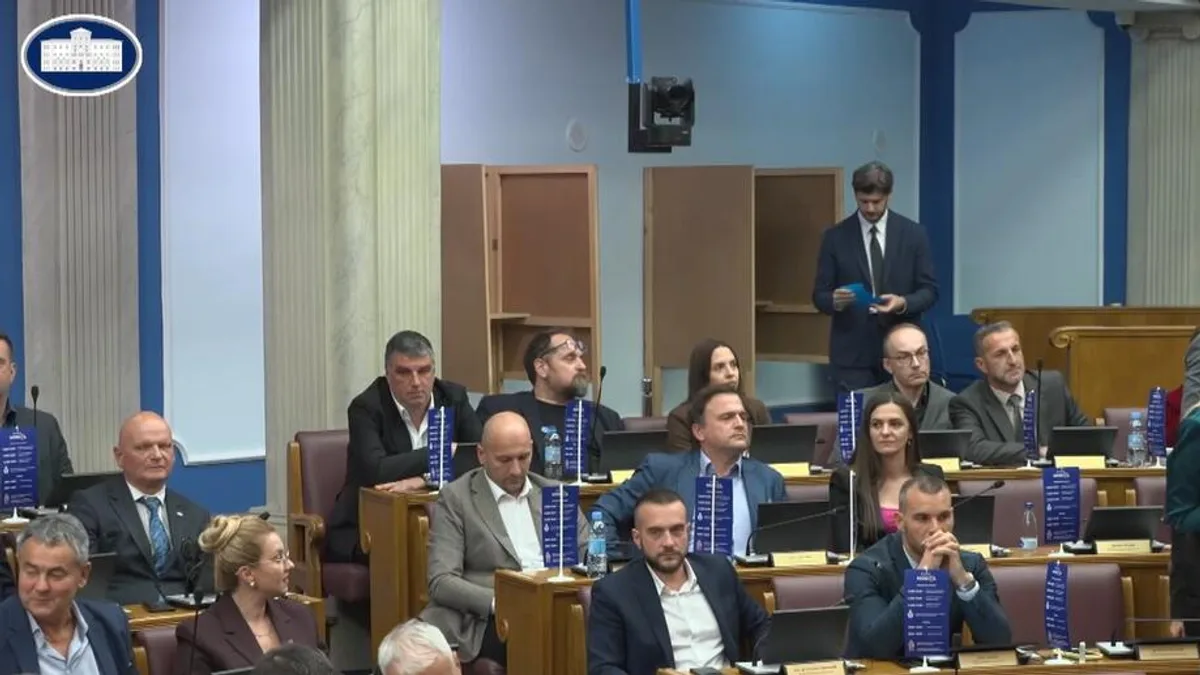
The opposition’s motion to remove Montenegrin parliament speaker and New Serb Democracy leader Andrija Mandic was not added to the agenda of the October 9 parliamentary session. The Democratic Party of Socialists (DPS), the largest opposition party, responded that it will not attend the session and will not vote alongside the majority until a vote on the dismissal is allowed. Podgorica is left without a decision on the fate of the man who runs parliament, and DPS parliamentary group leader Andrija Nikolic claims that decision is being made not only in Montenegro but also along the line running to Belgrade and Aleksandar Vucic.
Who blocked the motion from reaching the agenda?
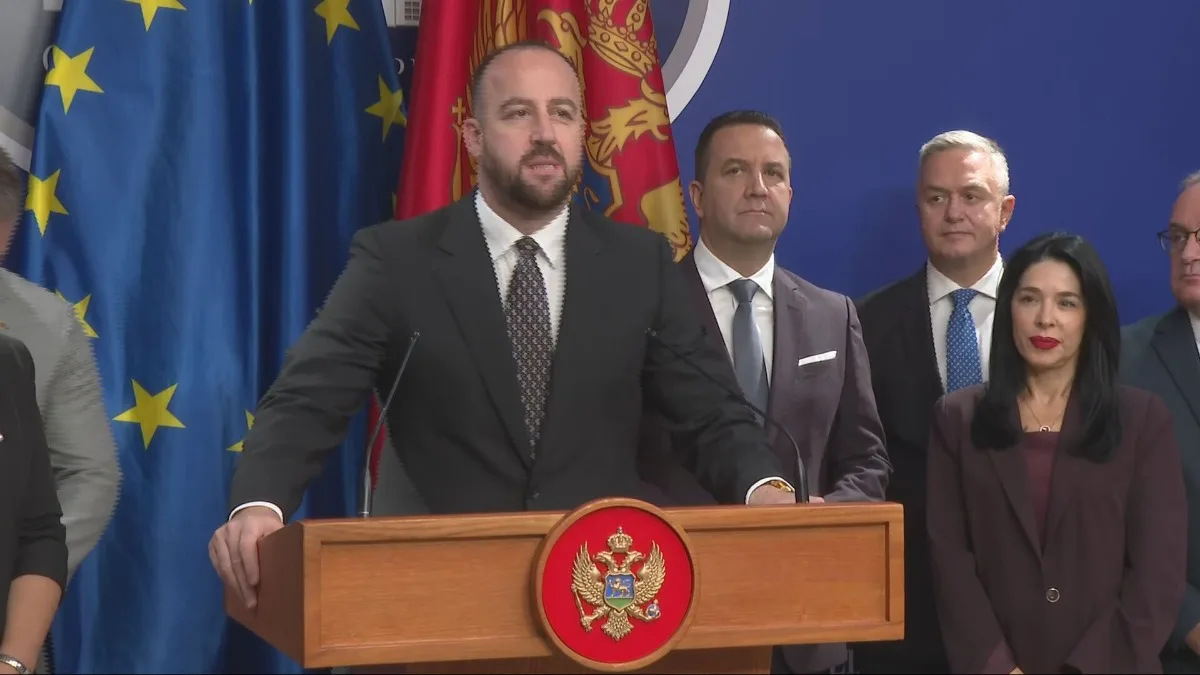
According to Nikolic, speaking at a press conference in Podgorica, the caucus of Milan Knezevic’s Democratic People’s Party (DNP) did not consent to adding the opposition’s agreed motion to dismiss Mandic to the agenda. Knezevic and his party are in opposition, a point Nikolic stressed in his explanation:
“The fact that Milan Knezevic’s DNP, even though it is in the opposition, is for the second time contributing to blocking a vote on Mandic’s removal shows that the political fate of the Montenegrin parliament speaker is not decided primarily in Podgorica, but that the political ties of Mandic and Knezevic with Aleksandar Vucic have a decisive influence.”
The claim that this is the second blockade comes from Nikolic, and the sources available to us do not say when the first one happened. The same goes for the link to Vucic: it is the assessment of the DPS caucus leader, not an established fact.
Why is the DPS staying away from the session?
Nikolic accused Mandic of avoiding a test of his support, then listed what he holds against him:
“He convened today’s session without consulting the heads of the opposition caucuses. He fled Cetinje, violating the Law on the Old Royal Capital. The Assembly is not Mandic’s private company. Mandic has arrested parliamentary democracy and is holding the PES deputies, political stability and Montenegro’s European path hostage. Because of this attitude, the DPS will not attend today’s session of parliament.”
He framed the decision as a choice rather than a boycott of the Assembly. By his account, the DPS does not want its presence in the plenary hall to create the appearance of normal parliamentary life while, in his words, the question of whether the speaker has the support he needs is being dodged. He also said the party’s position is unchanged: no joint voting with the majority until a vote on the dismissal initiative is allowed.
The initiative for removal was signed by 35 deputies, prompted by Mandic’s condolences on the death of Ratko Mladic.
What happened on September 24?
An extraordinary session at which the initiative was to be decided was scheduled for September 24 and was not held because there was no quorum. The opposition then accused the parliamentary leadership of preventing a count of the deputies present and a public broadcast. In its account of that session, RTCG reports that Mandic left the plenary hall after an argument with opposition deputies, who demanded that the session be formally opened, attendance recorded and journalists allowed to follow the proceedings. Parliament security did not let reporters and camera operators into the hall, there was no broadcast, and no vote on the dismissal was held.
How did the European Alliance react?
Ivan Vujovic, one of the leaders of the European Alliance, accused the authorities in a post on X of obstructing the initiative’s path to the agenda through Knezevic. He asked the Europe Now Movement to explain how the DNP’s obstruction serves Montenegro’s European path. In the post he wrote:
“Milan is guarding Andrija’s armchair, probably worried about Montenegro’s European future.”
At the same press conference, Nikolic raised a second issue, concerning the arrest of Russian citizens in Risan. He publicly asked the interior minister and the head of the Police Directorate how people under European Union and British sanctions managed to enter Montenegro at all. He added that, as he put it, a ten million dollar reward for information about those individuals is on offer in the United States.
Chapters 17, 18 and 19 in Luxembourg
The political dispute in parliament is unfolding alongside the membership negotiations. RTCG’s Brussels correspondent reported on October 9 that at an intergovernmental conference in Luxembourg on Monday, October 12, Montenegro will provisionally close three chapters: 17 (Economic and Monetary Policy), 18 (Statistics) and 19 (Social Policy and Employment). RTCG presents this as its own information, without citing official confirmation.