Inflation in April at 0.8% month-on-month, core rate 3.1%
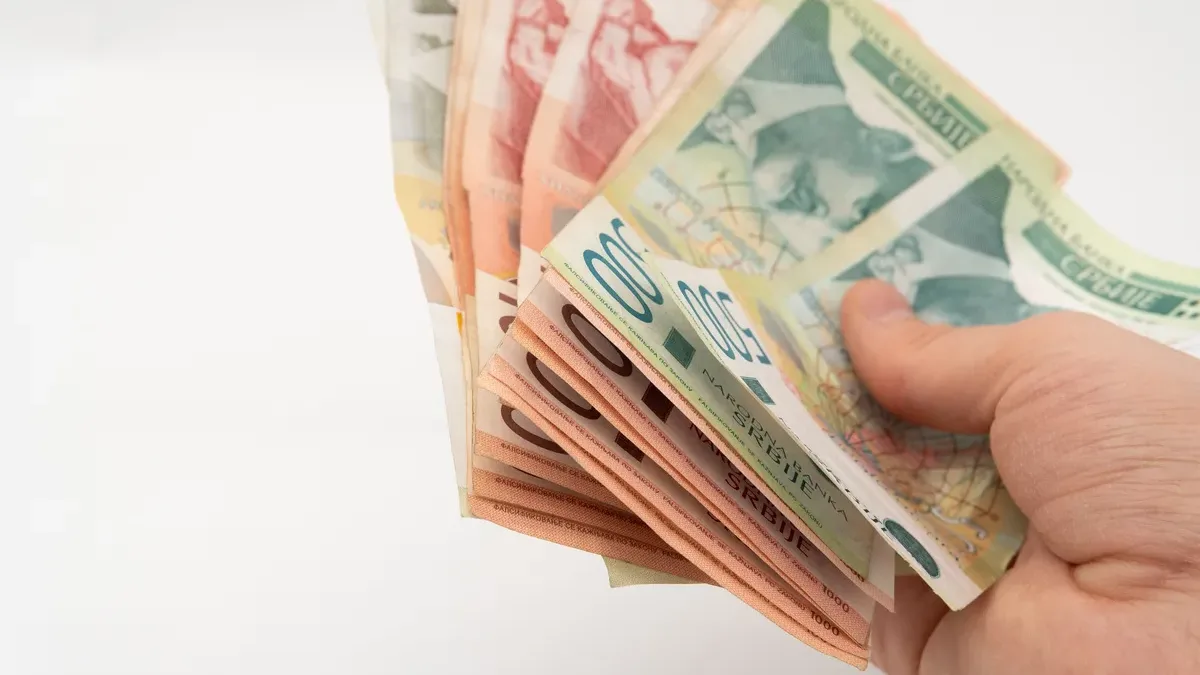
Monthly inflation in Serbia in April 2026 stands at 0.8 percent, the seventh consecutive month of price growth within the National Bank's inflation corridor, according to Statistical Office data.

Monthly inflation in Serbia in April 2026 stands at 0.8 percent, while the annual consumer price rate, measured by the Statistical Office’s Consumer Price Index (CPI), stayed at 2.8 percent in the first three months. Core inflation, calculated excluding energy and fresh food prices, stands at 3.1 percent year-on-year, according to the Statistical Office statement released on May 24 on the official price statistics service.
Since January 2026, the Statistical Office has been applying the new International Classification of Individual Consumption by Purpose ECOICOP ver. 2, an alignment with Eurostat methodology. The change affects comparison with historical series before January 2026, but does not alter the direction of the trend. The National Bank, in its May Executive Board statement, said it expects annual inflation to “remain within the corridor of 3.0 percent +/- 1.5 percentage points throughout the second quarter.”
What is moving monthly inflation most
The biggest monthly contribution to April price growth comes from “food and non-alcoholic drinks,” up 1.4 percent, with fresh vegetables jumping 4.2 percent and fruit 3.1 percent, with seasonal growth above average after a cold March. Transport prices are up 0.6 percent due to higher fuel costs at the pump, while clothing and footwear in spring are up 0.9 percent due to the new collection. Utility prices (electricity, water, refuse) are unchanged, a result of a regulatory pause running through September 2026.
Sasa Randjelovic, professor at the Faculty of Economics in Belgrade, in a May commentary in Politika, said “the monthly rate of 0.8 percent in April is not an episodic anomaly but a continuation of a base effect that, in the autumn months, may push the annual rate above 3.5 percent if expected price rises for imported energy materialise.” Raiffeisen Bank, in its May economic report published on May 19, projects average annual inflation for 2026 in the range of 3.2 to 3.5 percent.
How categories hit a concrete household budget
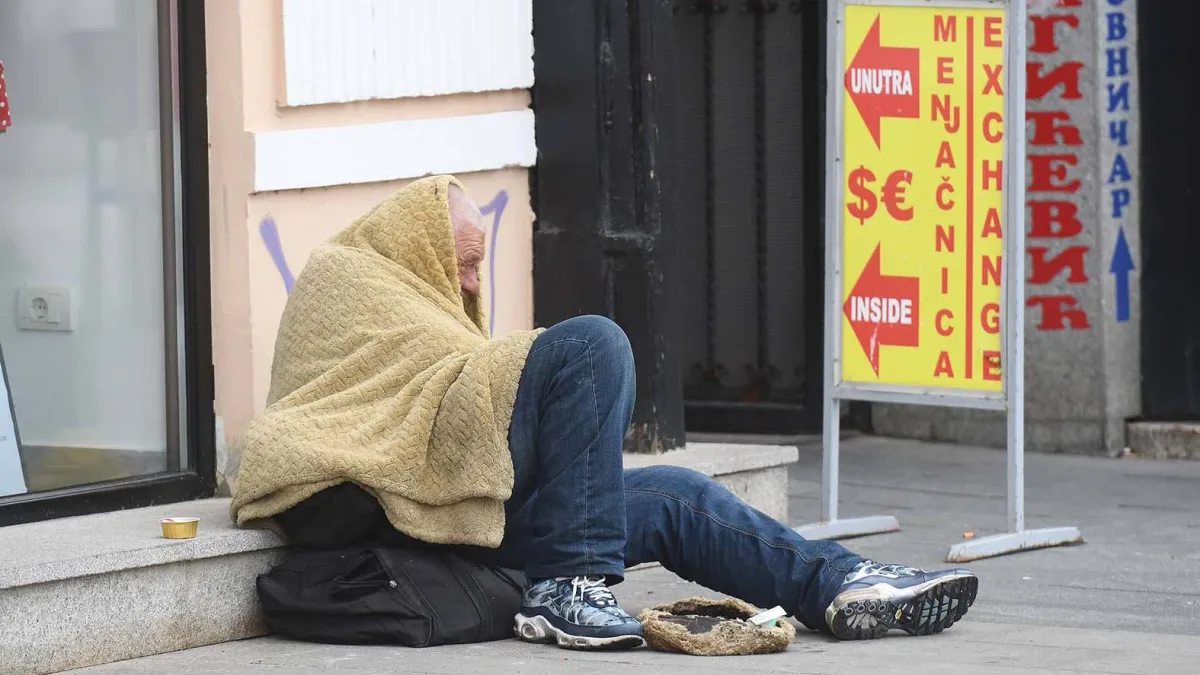
For an average Belgrade household with monthly income of about 121,650 RSD (Serbia’s median net wage in March), the “food and non-alcoholic drinks” category makes up about 28 percent of monthly spending, meaning the April 1.4 percent rise directly weighs on the budget by an additional 480 RSD a month. For a pensioner household on up to 45,000 RSD, the same rise represents a load of 320 RSD, proportionally a heavier hit.
How Serbia compares with the region
Serbia’s annual inflation of 2.8 percent in March 2026 is below Hungary (4.5 percent), Croatia (3.9 percent) and North Macedonia (3.2 percent), and above Bulgaria (2.1 percent). Eurozone inflation, according to Eurostat for April, stands at 2.3 percent. The spread between Serbia’s and the eurozone’s annual rate is 0.5 percentage points, the narrowest range in the past seven years and an argument the National Bank uses for a pause in monetary easing.
What comes next, and when projections are updated
The Statistical Office’s next CPI release, covering May 2026, is scheduled for June 12. The same day the National Bank Executive Board meets to decide on the policy rate, which has stood at 5.75 percent since February. The National Bank’s Q2 Inflation Report, including updated projections, will be published on August 15 at Governor Jorgovanka Tabakovic’s regular half-year press conference at the headquarters at Nemanjina 17.