EPS to Study 2x400 kV Line for Bistrica Pumped Hydro Plant
Serbia's environment ministry has set the scope of EPS's impact study for a new power line from Bajina Basta to the Montenegrin border, tied to a 1.2 billion euro hydro plant.
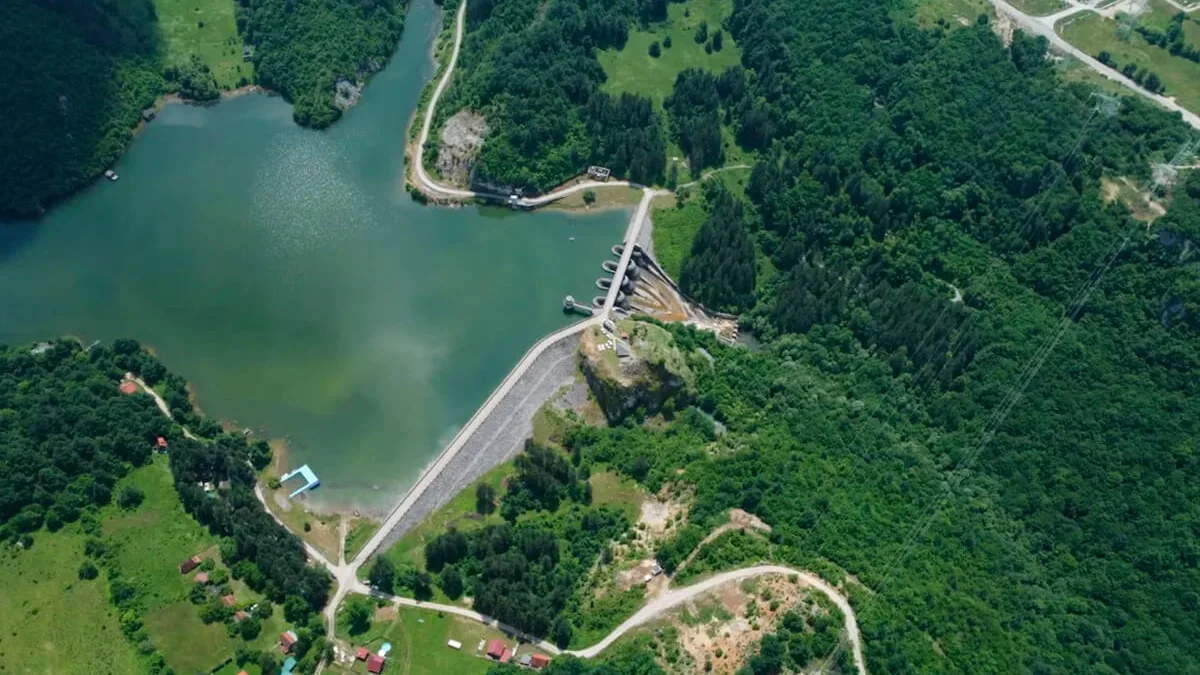
The Ministry of Environmental Protection has issued a decision setting the scope and content of the Environmental Impact Assessment Study that Elektroprivreda Srbije (EPS) must prepare for a power grid in western Serbia. The news was published on October 14 by the portal eKapija and carried by Beta. The grid is needed to connect the future Bistrica pumped-storage hydropower plant to the system.
What the study covers
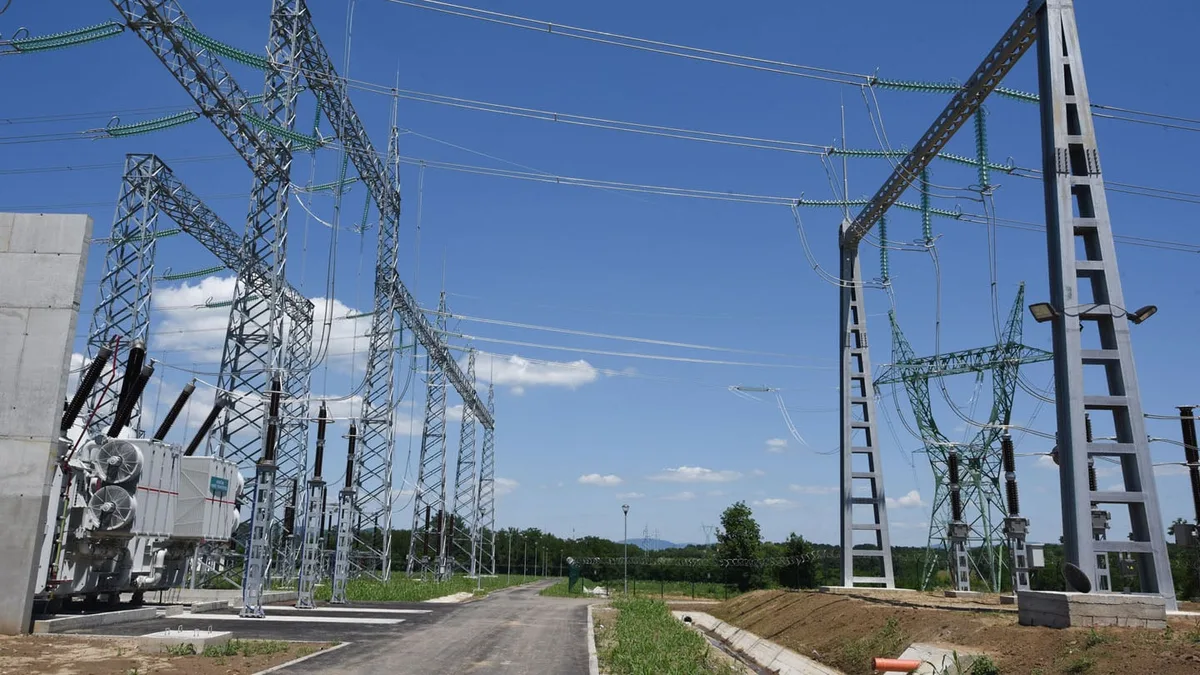
The study concerns three things: phased construction of a new Bistrica 2 switching substation, a new double-circuit 2x400 kV power line from the Bajina Basta substation to the Montenegrin border, and the relocation of part of an existing 220 kV line on the same route. According to these reports, the old pylons are being replaced with new ones. One account mentions only the border with Montenegro, while another says the route runs from Bajina Basta toward the borders of Montenegro and Bosnia and Herzegovina, so the exact path will only be known from the study itself.
The Bistrica 2 substation is needed because power leaves a hydro plant at very high voltage and cannot be carried straight to consumers. It is the point where the energy is taken in and sent onto the new line.
Where the line fits in the corridor
The line is the fourth and last section of the Trans-Balkan Corridor through Serbia. The corridor links the power systems of Romania, Serbia, Bosnia and Herzegovina and Montenegro, and through a submarine cable under the Adriatic, Italy.
What is known about the plant
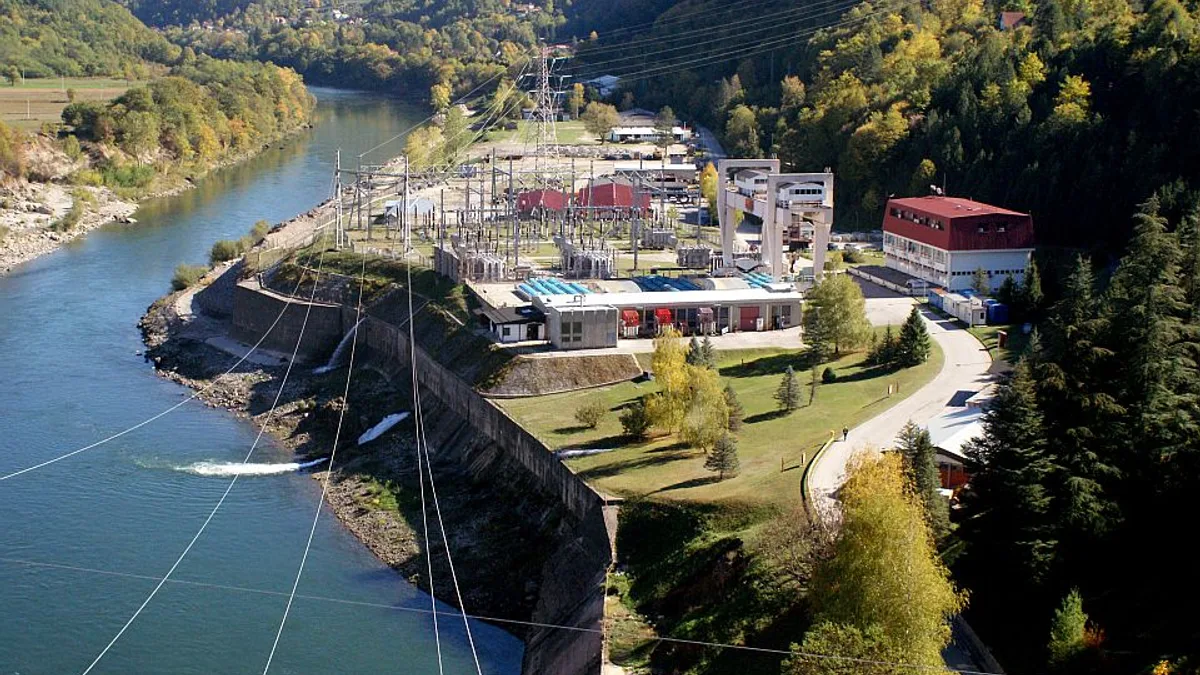
Bistrica is a 1.2 billion euro investment with a capacity of 660 MW and annual output of 1,600 GWh. The upper reservoir is formed by the Klak dam on the Uvac river, and the lower one is the existing Potpec reservoir on the Lim. At night, when the system has surplus power, the plant pumps water uphill, and at peak hours it releases it through the turbines.
According to Energy Minister Dubravka Djedovic Handanovic, the main planning documents have been adopted and eight location permits issued. Land expropriation is under way, and the first tenders for preparatory work have been launched, among them one for relocating local roads around the reservoir.
What the timeline looks like
A building permit is expected in early 2027, and main construction work on the plant is due to start at the end of that year. A loan agreement with the Japanese agency JICA is expected during Expo 2027 in Belgrade.
Setting the scope and content of the study is only a first step in assessing the grid’s impact, and the study itself has yet to be done.