Energy Community Votes Nov. 30 on Guarantees of Origin
The Energy Community Ministerial Council is due to adopt a framework on November 30 for recognizing regional green power guarantees of origin in the EU. Serbia had reservations.
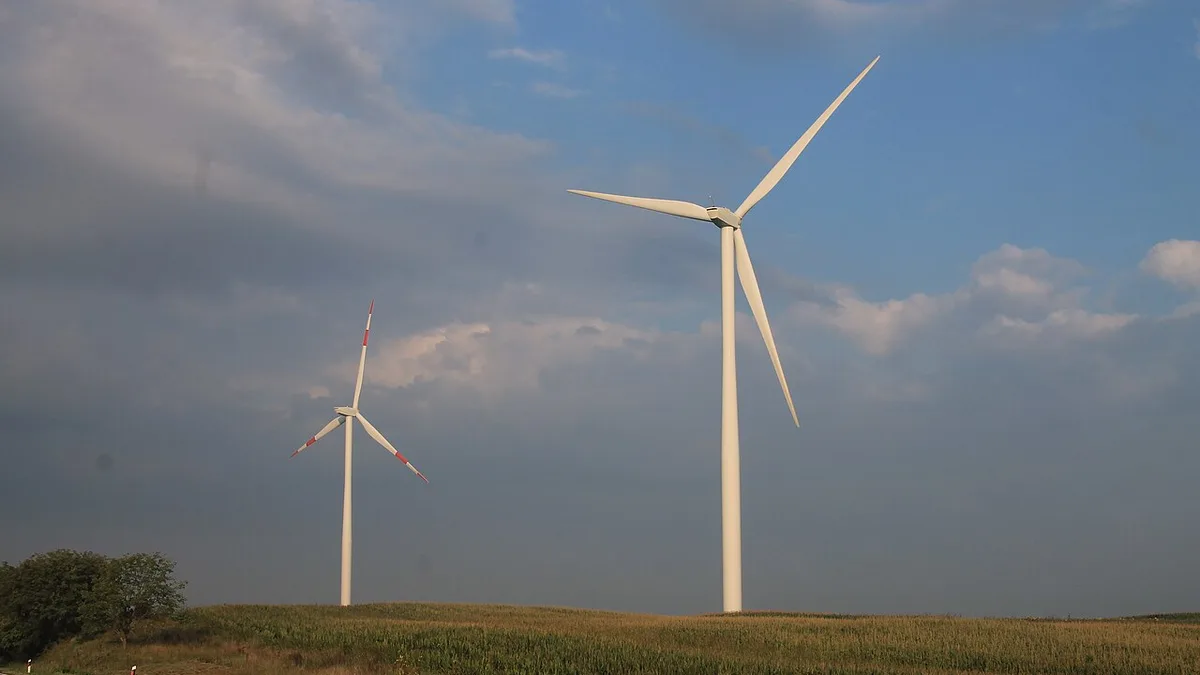
The Energy Community Ministerial Council is due to adopt a framework on November 30 under which guarantees of origin for green electricity, issued in countries of the region, could be used on the European Union market. No decision has been made yet, and the framework applies conditionally: it takes effect only once national systems meet the agreed conditions.
Artur Lorkovski, Director of the Energy Community Secretariat, spoke about it in Vienna on November 20 at the Energy Community Parliamentary Plenary. Lawmakers from the contracting parties, from the Western Balkans to Ukraine, Moldova and Georgia, were in the room. The mutual recognition framework was prepared together with the European Commission.
What is a guarantee of origin, and what changes?
A guarantee of origin certifies that electricity was generated from a renewable source. Until now, certificates issued in the region could not be used in the European Union, so producers could not earn extra value from selling them.
Under the new framework, producers could sell guarantees of origin on the EU market. That would bring additional revenue and encourage investment in renewable sources in domestic systems. Lorkovski urged lawmakers to align national legislation with the agreed conditions and to prepare producers for recognition as soon as it becomes possible.
Where does Serbia stand?
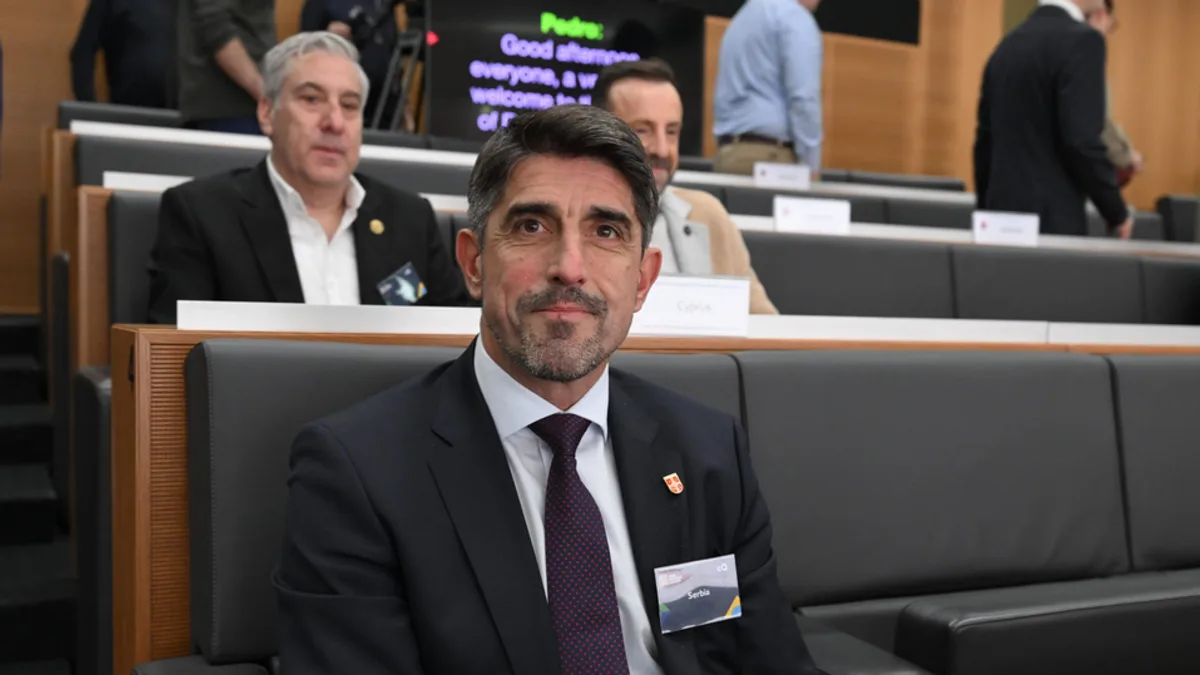
The Energetski portal reports that Serbia registered a certain reservation about the proposed solution during the preparation process. The Energy Community statement does not mention Serbia, and the substance of the reservation has not been published: neither of the two sources says what it consists of.
The framework was prepared with the European Commission, and how it applies in each country depends on whether that country’s national system meets the agreed conditions.
What did Lorkovski say about market integration?
The Secretariat director placed the framework in the wider context of energy security:
“Homegrown energy is becoming a mutual security imperative for the EU and its neighbours, which is why energy market integration should reward clean energy. Soon, it will.”
He made the remark at the plenary in Vienna.
Gas, electricity and Russian imports
In its statement, the Secretariat ties guarantees of origin to deeper market integration. A larger, more competitive electricity market, together with growing wind and solar output, should make it easier to electrify heating, transport and industry and reduce households’ and businesses’ exposure to fuel price swings.
On gas, the European Union will complete its phase-out of Russian gas imports during 2027. According to a recent Secretariat assessment, security of supply would not be endangered if the region follows the same path. The Secretariat says that connecting markets would open southeast and eastern Europe to more diverse supplies, including liquefied natural gas, and strengthen the region’s role as a transit hub for the European continent.
The Energy Community’s contracting parties made progress this year on integrating gas and electricity markets, according to the Secretariat’s statement. Whether the guarantees of origin framework is adopted will become clear at the Ministerial Council session on November 30.