Nisvil: 200,000 People, Zero Dinars From the Ministry
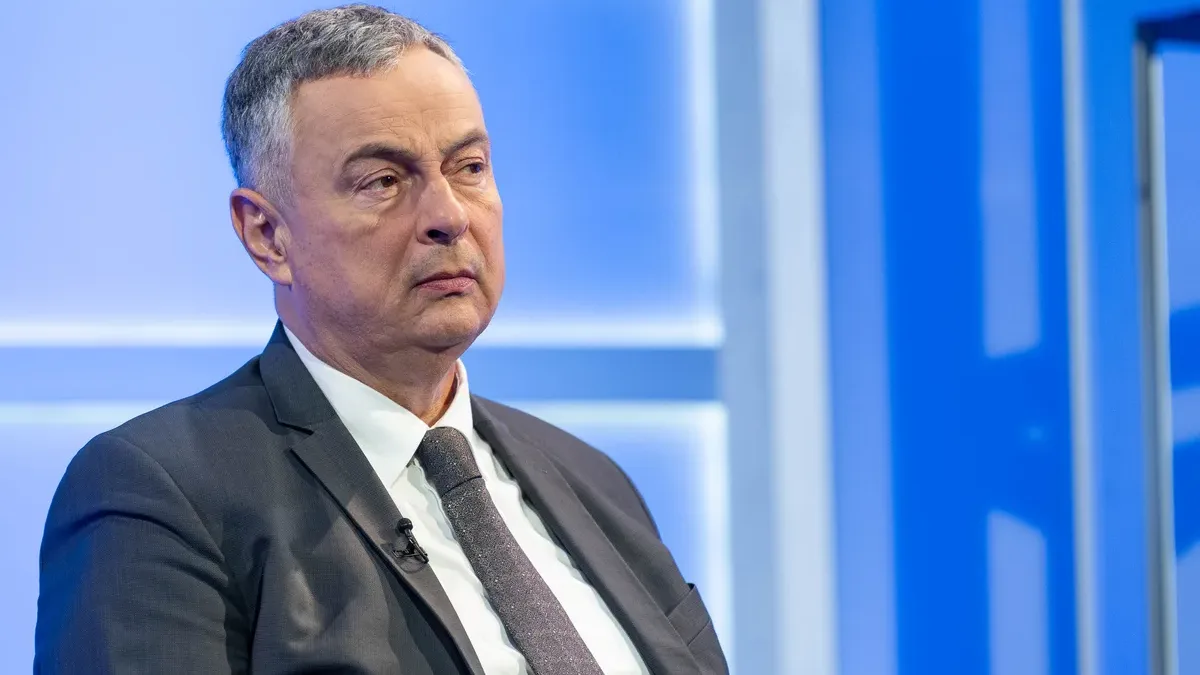
Nisvil director Ivan Blagojevic said after the 32nd edition that around 200,000 people attended, asked for two million euros a year, and wants a budget guaranteed at least two years in advance.

The last line that echoed from the stage at Nis Fortress on August 16 was not a thank you to sponsors. The Nis band Bohemija closed the 32nd edition of Nisvil with a message that students win, and earlier that evening Lavina, the band that represented Serbia at Eurovision in 2026, let the crowd shout “Pumpaj” twice and joined in without hesitation. The festival, which for two years running, according to the weekly Vreme, has not received a single dinar from the Ministry of Culture’s competitions, ended by repeating from its own main stage the very thing that, in the view of part of the public, is why the money never came.
A day later, on August 17, festival director Ivan Blagojevic came out with numbers. His estimate is that Nisvil drew around 200,000 people this summer, despite the accompanying program being cut by two days. Nova ekonomija, in its report on the festival, put attendance above one hundred thousand, so estimates of turnout vary from source to source, which for events that do not charge admission at every location is the rule rather than the exception.
Two million euros and a calendar with no room for April
Blagojevic told N1 that this year’s festival opening was not merely well attended.
“This year’s opening was the best attended in the history of Nis, while Friday matched the record for attendance at the main stage set in 2018, when the Gipsy Kings performed,” the director said.
That same sentence carries his argument: a festival of this size should not depend mostly on a single competition. For stable operations, he says, it needs a budget of around two million euros a year, a figure Nova ekonomija puts into context by noting that the most modest festival in the same European bracket, France’s Marciac, runs on five million euros.
The problem, though, is not just the size of the figure but its timing. The City of Nis, Blagojevic says, backed the festival seriously this year, but the decision came only at the end of April, while bands are booked most affordably in January. Money that arrives in spring buys less than the same money would in winter, a difference the audience never sees on the poster, only in who is missing from it. Hence his demand that the festival’s budget be guaranteed at least two years in advance.
What is the director asking from the state?
He has two concrete proposals, both moving beyond the logic of asking for a subsidy. The first is charging admission to the Fortress for the accompanying program, two euros per visitor, on the calculation that around a hundred thousand people follow those programs, which would strengthen exactly the part of the festival that was cut short this year. The second proposal is tax related, though Blagojevic framed it more broadly than a request for a specific break would suggest.
“Culture really is under threat in every respect. The state has to solve this systemically, so that part of the revenue companies would otherwise pay to the state can instead be directed to support culture,” Blagojevic said.
He also pointed to a burden rarely mentioned in debates about culture budgets: the administration and oversight of the State Audit Institution, which requires organizers to document what each musician ate and where they slept. For an institution that checks how public money is spent, that is work by the book. For a festival with 152 bands and about ten stages, it is an hour of paperwork per plate.
200,000 people for 205 dinars per act
Vreme ran the numbers that best explain why Nisvil draws such a crowd: a full ticket package for the main program cost 4,500 dinars, which works out to around 205 dinars per performance. For that money, the audience got Boney M celebrating fifty years since their first album, Incognito, and the Amy Winehouse Band made up of musicians who played with the singer, while the final night went to domestic acts, Daltoni, Galija, Lavina and Bohemija.
Nova ekonomija previously reported that the Ministry of Culture’s support for Nisvil had for years ranged between two and four million dinars, reaching five million last year, while the City of Nis raised its own contribution to a record 55 million, alongside three million from the Ministry of Tourism. Lined up against each other, those figures show that even in its best year, the republic level support was smaller than the fee for a single major performer.
When we wrote about the program of the 32nd Nisvil, the focus was on Rasputin, clarinet and four decades of reggae. Now, three days after it ended, the focus is on whether a festival that the British Guardian ranked among the ten best jazz festivals in Europe has to be rebuilt every year on the enthusiasm and goodwill of a single city. The answer will not come from the audience, since it already did its part, but from the outcome of a competition that will not arrive until spring, long after January has passed.