Extra virgin olive oil: five tips to spot the real thing in any shop
If a litre of extra virgin olive oil costs under four euros, treat it as a red flag. Five concrete tips for spotting a real bottle in Serbian shops.
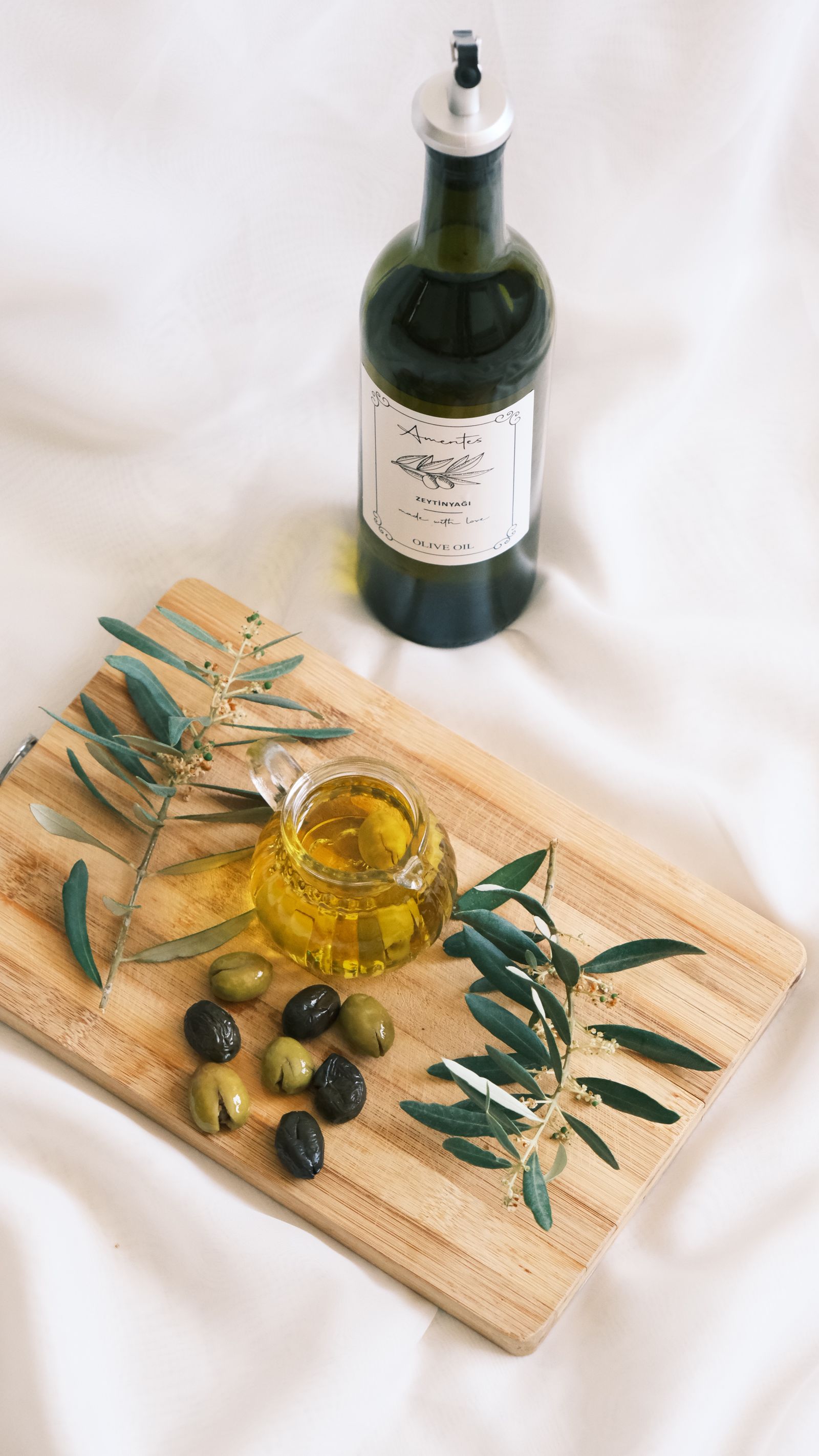
Is olive oil priced at 600 dinars per litre really extra virgin? Short answer, almost certainly not.
Genuine extra virgin olive oil rarely drops below 1,500 dinars per half litre in Serbian shops, roughly €12 per litre.
The reason is economic. Cold pressing yields only 15 to 20 per cent oil from the total fruit weight, and the extra virgin classification requires strict laboratory testing of acidity and organoleptic qualities.
What extra virgin actually means
The term is not marketing, it is legally defined. Extra virgin olive oil must have acidity below 0.8 per cent, must be cold pressed without chemical processing, and must pass a sensory panel test.
If any of those three fail, the oil cannot legally be called extra virgin.
Terms like “pure olive oil” or “light olive oil” are marketing covers for refined oil that has gone through chemical processing. It has very little in common with extra virgin.
Five tips for spotting the real thing
- Dark bottle, not clear glass. Light rapidly breaks down polyphenols, the key antioxidants in olive oil. A serious producer packages oil in dark green or amber glass. A clear bottle is a red flag, even if the label says extra virgin.
- Harvest date on the label. Look for the year the olives were harvested, not just the use-by date. Oil from a harvest two seasons ago has already lost some aroma and health properties. The ideal is oil less than 12 months from harvest.
- Precise origin. “Mediterranean blend” or “mix of EU oils” signals a blend of cheap oils from multiple sources. Real oil names one region, one olive variety or a specific farm. Italian DOP and IGP or Spanish DOP marks guarantee monitored origin.
- Price does not drop below €12 per litre. The real production cost of quality extra virgin oil in 2026 does not allow retail prices below that figure. A large bottle for €5 is almost certainly not what the label claims.
- Test the smell and taste at home. Real oil smells of freshly cut grass, green fruit or tomato. The taste is bitter on the tip of the tongue, with a peppery sensation in the throat after a sip. Bland, greasy or rancid oil is refined, too old, or both.
The fridge myth
The fridge test is a widespread urban legend. The claim is that genuine oil should thicken and precipitate in the refrigerator.
That is incorrect.
Thickening depends on fatty acid composition and olive variety, not on oil quality. Skip this test, it leads to the wrong conclusion.
What to look for on the label
- The words “extra virgin olive oil”
- The harvest date or “harvest date”
- A certification mark like DOP, IGP, PDO or NAOOA
- A specific region or named producer
- Acidity below 0.8 per cent, when stated
- The olive variety, for example Koroneiki, Picual, Frantoio, Arbequina
How to store oil at home
Oil is alive, it oxidises with air and light. Keep it in a dark bottle, away from the stove, sealed, at room temperature.
Do not leave an open bottle on the counter for two months.
The ideal window is three to six months after opening. The fridge will not spoil the oil, but it does not need that level of cooling. A dark room-temperature cupboard is enough.
A practical tip for buying
If this is your first serious olive oil purchase, choose a 250 or 500 ml bottle, not a litre.
One reason is price, the other is consumption pace. A freshly opened bottle every two months is better than a year-old litre bottle losing its character every day.
Have you tried to find real olive oil in Serbia? What was the hardest part? Let us know in the comments.