Space Force: Swift Telescope Reentered Over North Sumatra
The telescope ran nearly 22 years instead of the planned two, and a rescue attempt in July failed. Tech Times gives a different time and place of reentry.
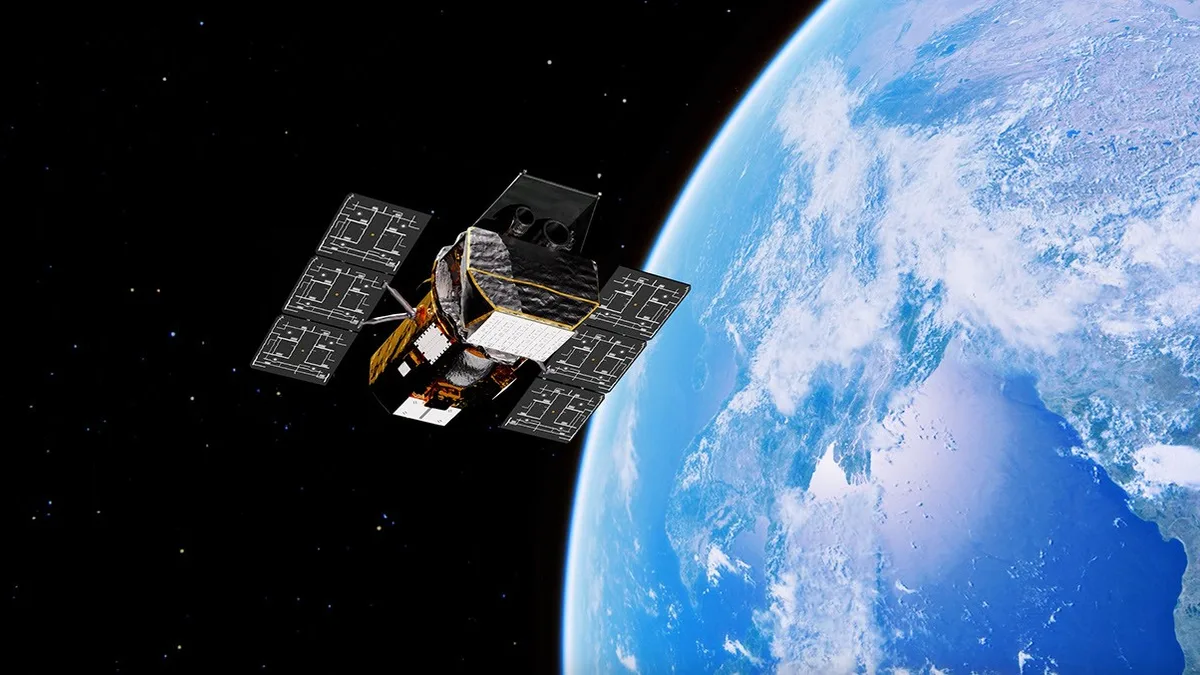
The Neil Gehrels Swift telescope reentered Earth’s atmosphere on Wednesday, November 4, 2026, at 7:39 a.m. Eastern time, which is 12:39 UTC (1:39 p.m. in Serbia). The US Space Force confirmed the reentry, and NASA updated its November 2 post the same day with that confirmation. A spacecraft built for a two-year mission worked for almost 22 years.
Where did Swift reenter the atmosphere?
According to NASA and the Space Force, over northern Sumatra in Indonesia, at about 3.4 degrees north latitude and 98.6 degrees east longitude. NASA had expected most of the telescope to burn up, but allowed that some pieces may have survived the passage through the atmosphere.
Tech Times reports something different: reentry around 9:30 UTC and a breakup over the Pacific, with no coordinates. That is a gap of three hours. The Space Force confirmation gives an exact time and coordinates, so this article relies on it.
Why did the rescue fail?
NASA gave Katalyst Space Technologies of Arizona a $30 million contract for a satellite called LINK, which was meant to lift Swift into a higher orbit. LINK launched on July 3, 2026, on a Northrop Grumman Pegasus XL rocket from Kwajalein Atoll. Its electrical power system then failed, two of its three reaction wheels used for attitude control shut down, and its cold gas thrusters partly failed, so the approach to the telescope never took place.
On August 19, NASA and Katalyst announced that LINK could not carry out the orbit boost. LINK itself reentered on September 25. In our earlier article on the topic we cited a risk estimate of 1 in 2,100. Sean Domagal-Goldman, director of NASA’s Astrophysics Division, said in a statement: “Without intervention, Swift was going to reenter the atmosphere by year’s end.”
What did Swift leave behind?
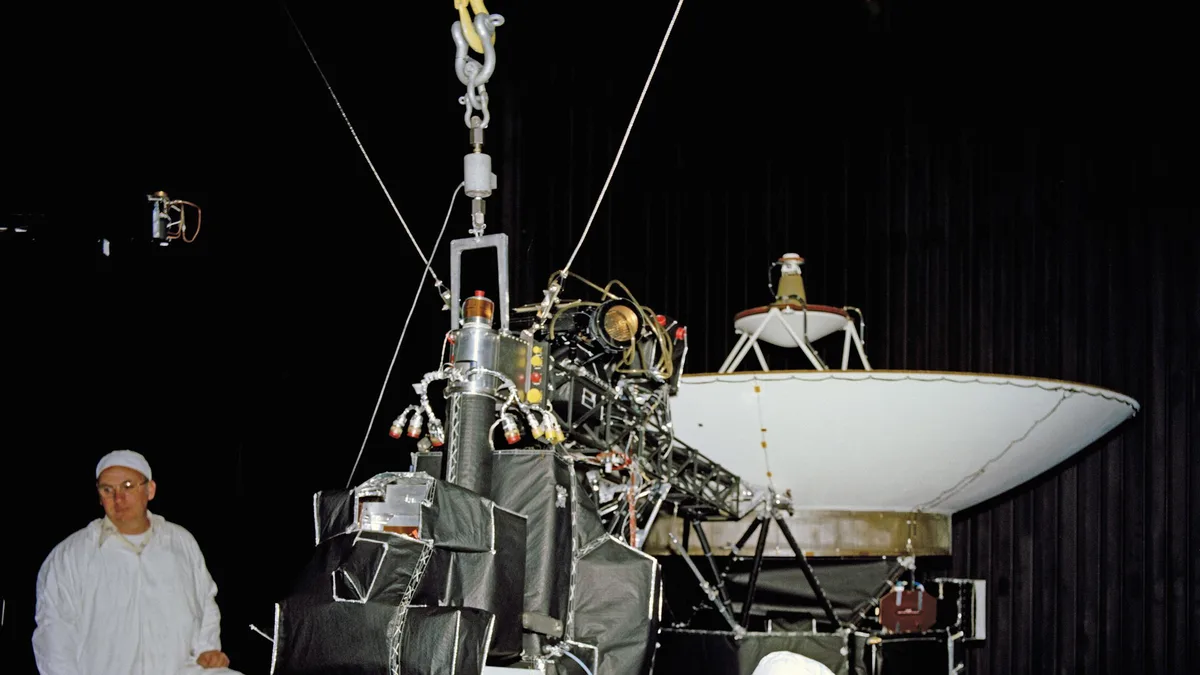
Launched on November 20, 2004, it weighed 1,452 kilograms (3,200 pounds) and carried three telescopes covering different wavelengths, among them the Ultraviolet/Optical Telescope (UVOT) and the Burst Alert Telescope (BAT). BAT detected more than 1,300 gamma-ray bursts on its own, and the mission’s full catalog exceeds 2,000. Its better-known observations include a gamma-ray burst that lasted seven hours and an X-ray image of the Milky Way’s core around Sagittarius A*, assembled from data gathered between 2006 and 2013. The last observation was made on October 20, and NASA ended mission operations on October 23.
Domagal-Goldman summed up the mission in NASA’s statement:
“Swift delivered an incredible, lasting return on investment for the nation, designed for a two-year primary mission but productive for more than 10 times as long.”
He added: “Swift leaves us with an extraordinary archive of multiwavelength observations that will fuel new discoveries for decades more.” Principal investigator Brad Cenko recalled the beginning in a statement to the press: “When Neil Gehrels, Swift’s namesake, designed the observatory, nothing like it had ever launched.”
What is still unknown?
The sources available to us do not mention any recovered fragment. Darren McKnight, a senior technical fellow at LeoLabs, said the outcome is open: “The most likely outcome is that any surviving debris will land in the sea, but there is a chance it could impact a built-up area and cause a casualty.”
The claim that pieces survived is so far a caution from NASA, not a finding. The time of reentry also remains unreconciled, since two sources did not give the same hour or the same place, and the Space Force confirmation did not show whether anything reached the ground.