Hurricane Isaias hits Florida, 664,000 without power
The first hurricane of the Atlantic season came ashore near Destin on Friday evening, and by Saturday morning more than 664,000 customers in Florida and Alabama had lost electricity.
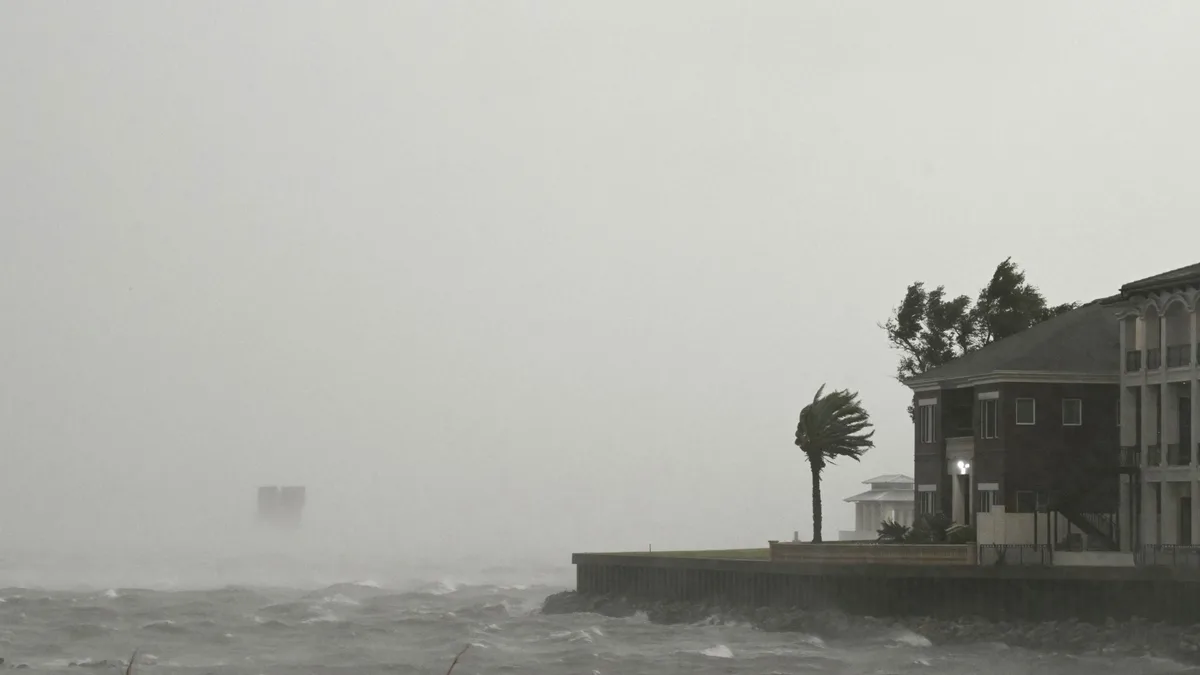
Hurricane Isaias made landfall near the Florida city of Destin on Friday evening, October 9, 2026, the first hurricane of this year’s Atlantic season. According to the US National Hurricane Center, its maximum sustained winds at landfall reached 169 kilometers per hour (105 miles per hour). Florida Governor Ron DeSantis described it as a Category 2 hurricane.
Where is the storm now?
After landfall the storm weakened and became post-tropical as it crossed southern Alabama. On Saturday, the same center said, it was about 89 kilometers south-southwest of Montgomery, with winds of 100 kilometers per hour. The threat is moving from the coast to the interior: flash flooding and strong winds are still expected well away from the sea.
The US National Weather Service warned in a bulletin issued late Friday evening about the danger the continuing storm poses:
“Residents in these areas should have a safe room to wait out the storm and prepare for prolonged power outages.”
The same agency said “considerable flash and urban flooding, as well as significant river flooding” were possible.
How many people lost power?
Early Saturday, more than 664,000 customers in Florida and Alabama were without electricity, according to the outage tracker poweroutage. DeSantis had earlier put the figure at around 260,000 customers in Florida at the time of landfall. Outages stretched from Pensacola to Panama City and as far as the state capital, Tallahassee, and repair crews will be deployed only after the storm passes.
A storm surge of 0.91 to 1.52 meters is also forecast, from Dauphin Island in Alabama to the Aucilla River in Florida. In its warning, the National Weather Service said the dangerous surge threatens the stretch from Dauphin Island to Suwannee, Florida.
What happened on the ground?
Roads in Destin were flooded. In nearby Pensacola, police urged residents to stay off the streets because of debris on the roadways, and footage on social media shows wind tearing the roof off a hotel. The extent of the damage was not known on Friday or Saturday. Some counties in northwest Florida temporarily suspended emergency service responses on Friday evening because of dangerous conditions.
Flooding also hit parts of southern Alabama, where officials in Mobile reported downed trees and power lines. Most of Friday’s flights were grounded at several airports in the region, and all flights were canceled at Destin-Fort Walton Beach airport. None of the sources we used reports any deaths or injuries.
How did authorities respond?
The Florida National Guard deployed about 5,000 soldiers and airmen, along with search and rescue teams, while some jails evacuated inmates. Homeland Security Secretary Markwayne Mullin said emergency declarations had been approved for Florida and Alabama, making federal resources available. President Donald Trump, asked about preparations by reporters outside the White House, said: “We’re watching the hurricane very carefully.”
What else is coming from the Pacific?
Isaias is not the only storm on the region’s weather map. Tropical Storm Rachel is expected to bring strong wind and rain to northern Mexico and southern California over the weekend. Hurricane Simon strengthened early Saturday to Category 4, with winds of 225 kilometers per hour, and is moving toward the Mexican coast. According to the National Hurricane Center, a storm of that strength is classified as a major hurricane. Heavy rain is expected in southwestern Mexico, possibly along the coast of Jalisco, as well as in parts of Michoacan, Colima and Nayarit, and forecasters warn of life-threatening floods and landslides.