Dragon returns from ISS with printed tissue, cancer samples
SpaceX Dragon undocks from the International Space Station on Tuesday, carrying bioprinted tissue, DNA-inspired materials and data on fuel cryostorage back to Earth.

- The SpaceX Dragon from the CRS-34 resupply mission undocks from the Harmony module on Tuesday, June 16, at around 12:05 p.m. Eastern time.
- The capsule is bringing bioprinted organ and cartilage tissue back to Earth, along with DNA-inspired materials studied for cancer therapies.
- Splashdown is planned for Wednesday, June 17, off the California coast, after the spacecraft reached the station on May 17 with nearly 6,500 pounds of supplies.
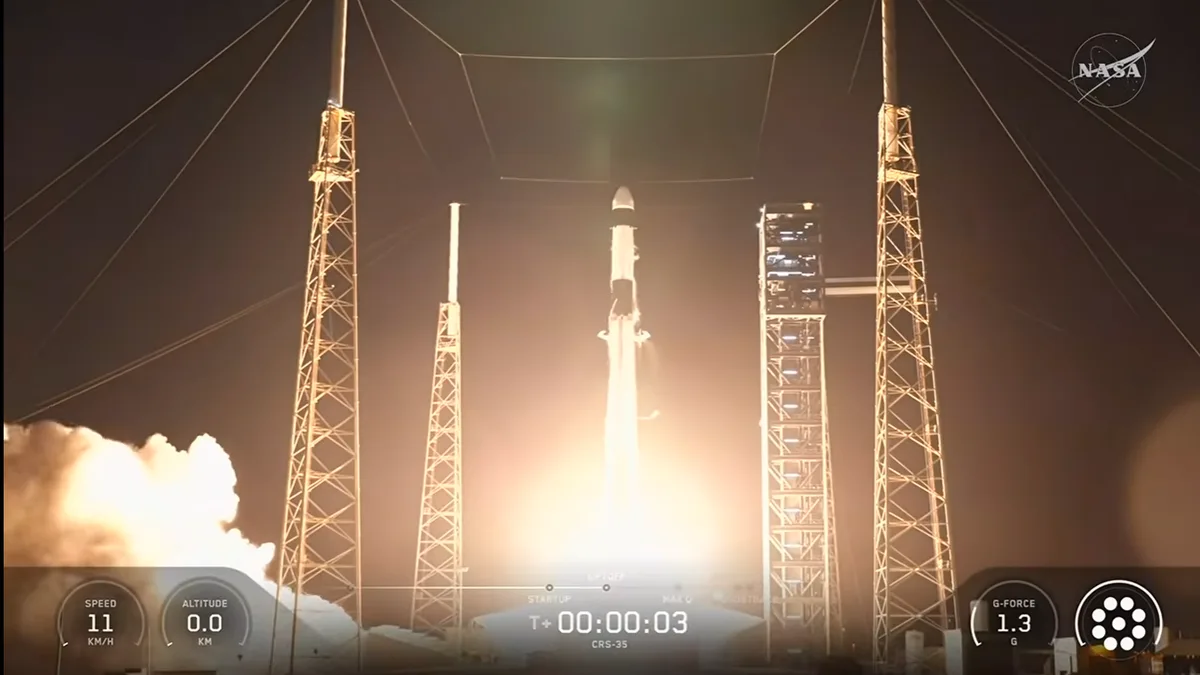
The SpaceX Dragon spacecraft, docked at the International Space Station (ISS) since mid-May, undocks from the Harmony module on Tuesday, June 16, at around 12:05 p.m. Eastern time and begins its trip home. This is the cargo flight designated CRS-34, and NASA is covering the departure live on its platforms. Unlike a launch, where the focus is on what arrives at the station, here the more interesting question is what comes back from it.
Dragon reached the station on May 17 carrying nearly 6,500 pounds (about 2,950 kilograms) of supplies and scientific hardware. According to NASA, it is now returning the results of several experiments that passed through phases in microgravity that are hard to reproduce on Earth. Among those samples are bioprinted organ and cartilage tissue, along with DNA-inspired materials being tested for new cancer therapies.
What exactly is the capsule bringing back?
The bioprinted tissue is drawing the most attention. In microgravity, cells and soft materials do not sink or deform under their own weight the way they do in a ground laboratory, so researchers expect printed organ and cartilage structures to hold a shape that is difficult to maintain on Earth. Those samples now have to come back intact, since the analysis is done in terrestrial labs.
Returning alongside the tissue are the DNA-inspired materials, studied as a possible basis for targeted cancer therapies, as well as an eye device meant to track the crew’s vision health on longer missions. The cargo list also includes an air-filtration layer, part of the equipment that keeps the station’s closed-loop atmosphere clean. Beyond the biological samples, Dragon is carrying data on fuel cryostorage, that is, on keeping propellants at very low temperatures, a topic relevant to future long-duration missions.
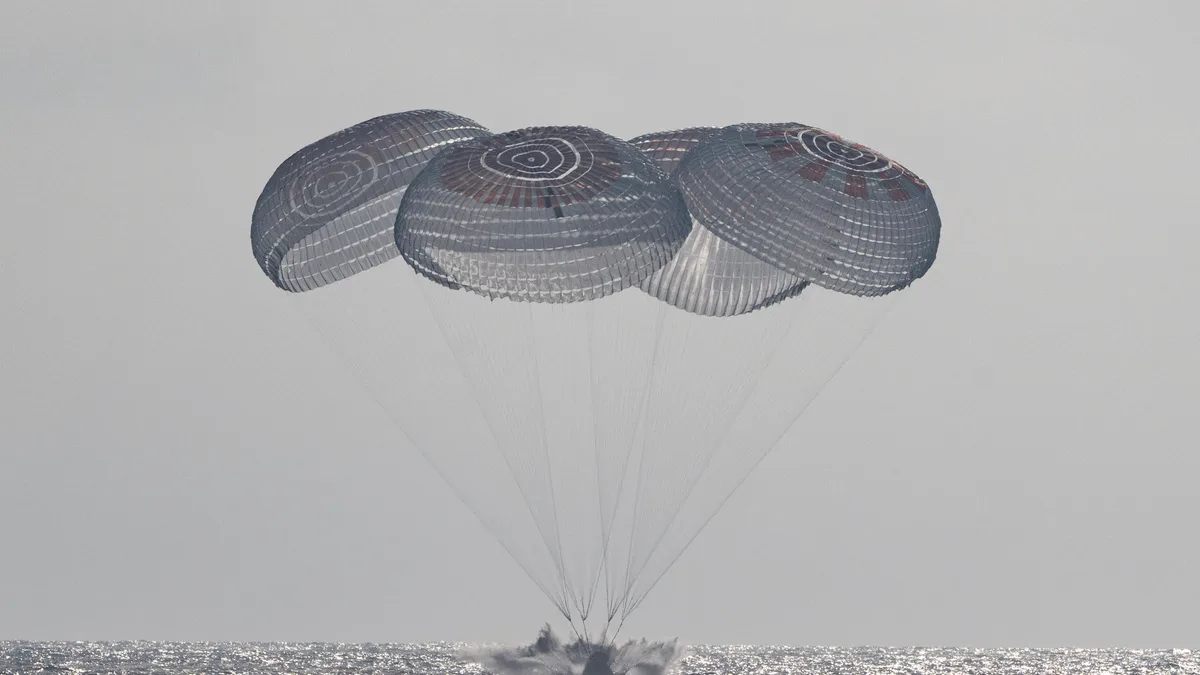
After undocking, the capsule performs a series of maneuvers to back away safely from the station, with a parachute splashdown planned for Wednesday, June 17, in the waters off the California coast. Only once the capsule is recovered and the cargo is opened do the samples reach the research teams.
Why has orbit become a laboratory?
The station is increasingly used as a venue for experiments that need the absence of gravity, from growing protein crystals to bioprinting tissue. What these return shipments make possible is a comparison: the same kind of sample produced in orbit and on the ground, then analyzed under identical conditions in the lab.
It is worth stressing what this return is not. Bringing back bioprinted tissue and cancer-therapy materials is not proof that a new treatment exists, nor that organ bioprinting is ready for clinical use. These are research samples whose analysis still lies ahead, and the road from a microgravity experiment to a peer-reviewed study and clinical testing is long and uncertain. The CRS-34 mission delivers material for that work, not conclusions.
What interests you more about missions like this, the return of the capsule itself, or the work being done in orbit on tissue and therapies?