NASA Terra satellite stops science data on Dec. 1
Launched in 1999 for a six-year mission, Terra stops collecting science data on December 1, and all systems shut down in January 2027. The archive stays free and public.
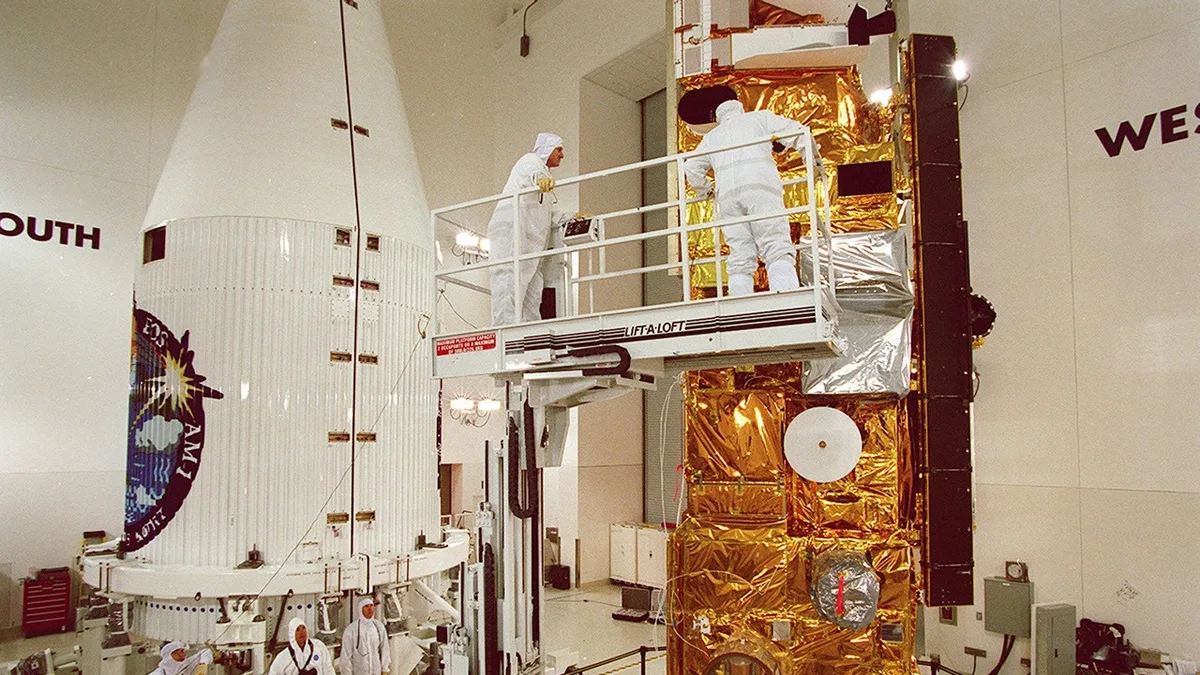
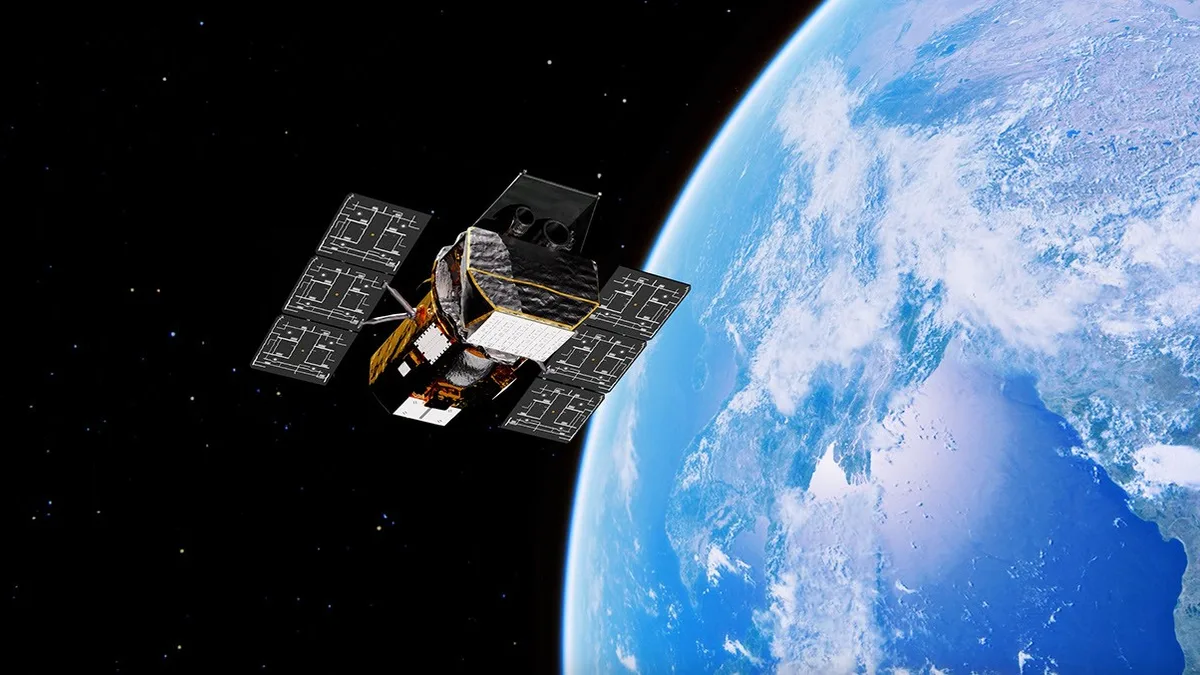
NASA’s Terra satellite, one of the agency’s longest-serving Earth observers, will stop collecting science data on December 1, 2026. The agency announced the decision on November 17. The team will then use the remaining fuel to lower the spacecraft’s orbit, and all systems will be switched off in January 2027.
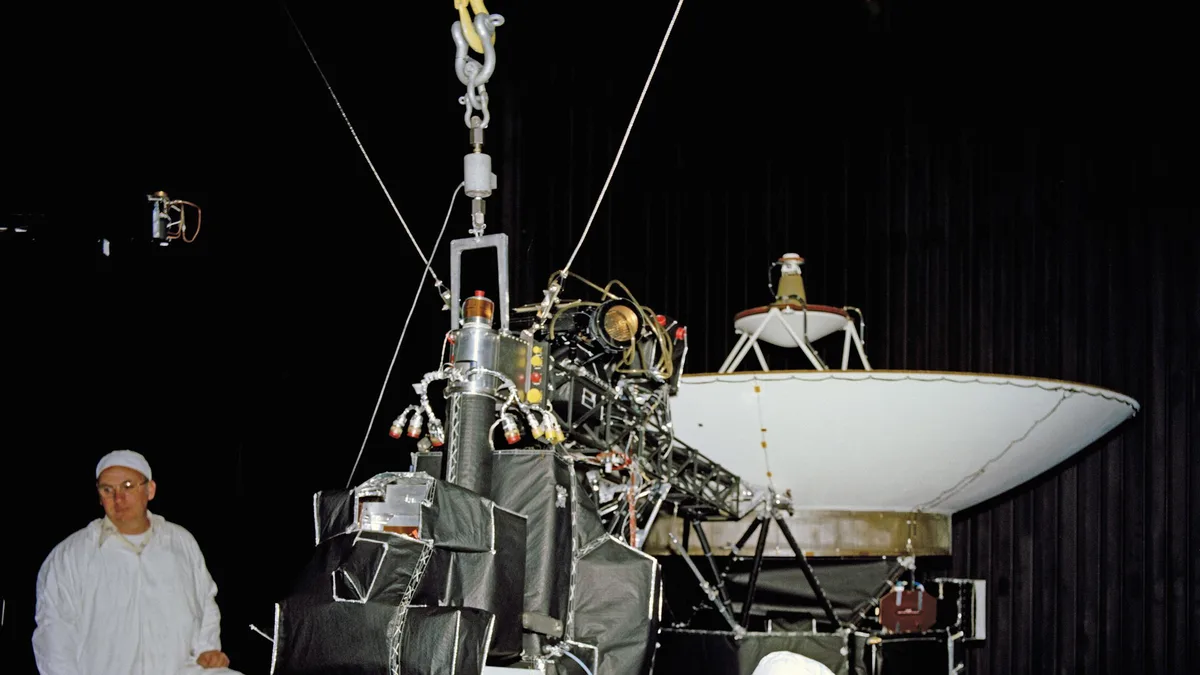
Terra was launched on December 18, 1999, according to an earlier NASA article about the mission, and was designed to operate for six years. It has worked more than four times longer, about 27 years. NASA cites aging spacecraft systems and a drifting orbit as the reasons. The mission stopped correcting the orbit’s inclination in 2020, so the satellite has been slowly leaving its assigned path, on which it originally crossed the equator at about 10:30 a.m. local time.
How many of Terra’s instruments are still running?
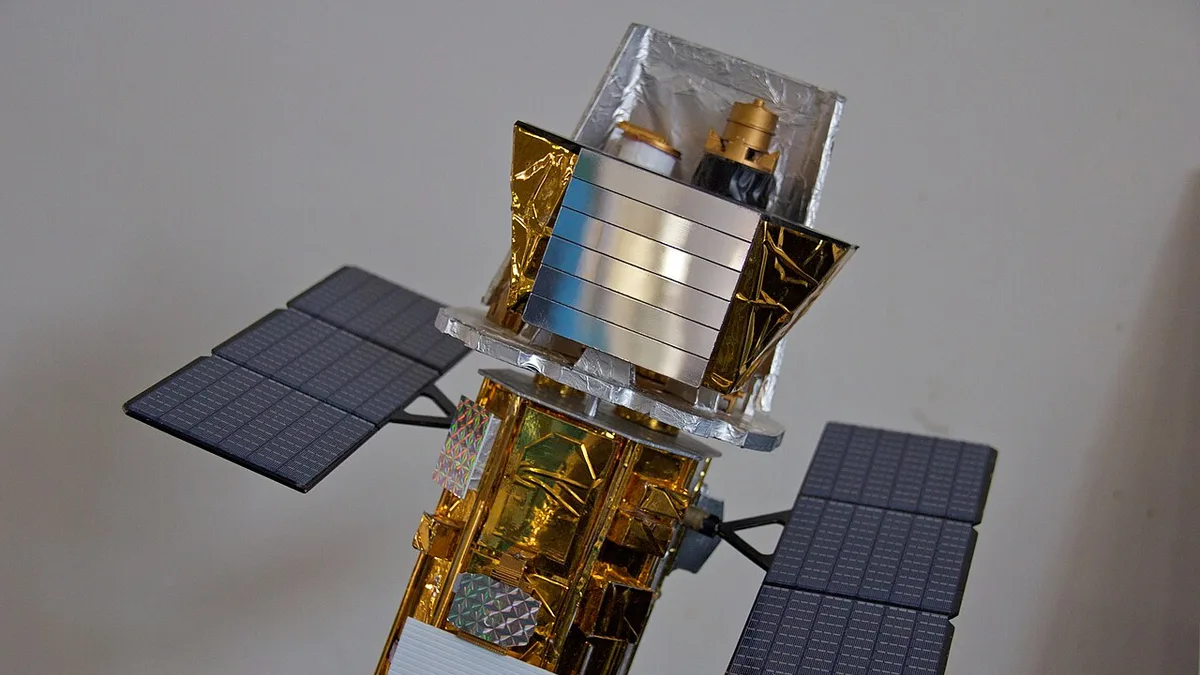
The satellite carries five instruments: ASTER, CERES, MISR, MOPITT and MODIS. Because of a shortage of power on board, they have been shut down one by one:
- January 10, 2025: the aft CERES was turned off, while the forward (Fore) unit kept working
- April 9, 2025: the Canadian Space Agency turned off MOPITT
- January 16, 2026: the thermal infrared portion of ASTER was turned off, followed on February 6 by its thermal control system, after which that portion cannot be restored even if the power reserve grows
According to a NASA article from February 2026, MODIS, MISR and the forward CERES were still collecting data, and the visible and near-infrared portion of ASTER resumed operation on February 9.
What did Terra’s data make possible?
Terra kept a record of changes in land use, wildfire behavior, the movement of dust and smoke, atmospheric composition and ice cover. NASA says decisions on public safety, agriculture and water resources have relied on that data. ASTER, a joint instrument of NASA and Japan’s Ministry of Economy, Trade and Industry, imaged in 14 wavelengths, from visible to infrared light.
In its earlier article, NASA counts more than 27,000 papers that use Terra data. Speaking about MISR, which images Earth with nine cameras at different angles, David Diner of NASA’s Jet Propulsion Laboratory (JPL), the instrument’s principal investigator, said in that article:
“MISR’s greatest achievement is the diversity of scientific investigations and papers that have resulted from its unique approach to observing.”
What changes for data users?
On the same day as NASA, Earthdata, the portal through which the agency distributes data, published a notice. Delivery of new Terra data ends on December 1, 2026, which is day 335 of the year, and no time of day is given. The archive of existing data stays available, and users who depend on fresh data should move to replacement products as soon as possible. Earthdata says it is preparing pages with alternatives, which will appear in the top menu of each instrument.
The deadline is earlier than previously estimated. In the article “Terra: The End of an Era,” with an editor’s note, NASA said the end of Terra’s science operations was expected in February 2027, the Aqua satellite’s in September 2027 and the Aura satellite’s in August 2028. The announcement about Terra gives no new dates for Aqua and Aura.
The shutdown does not mean the data disappears: the decades-long record stays free and public, and only the flow of new measurements from this satellite stops.