Montenegro: Parliament Weighs Removing Speaker Mandic
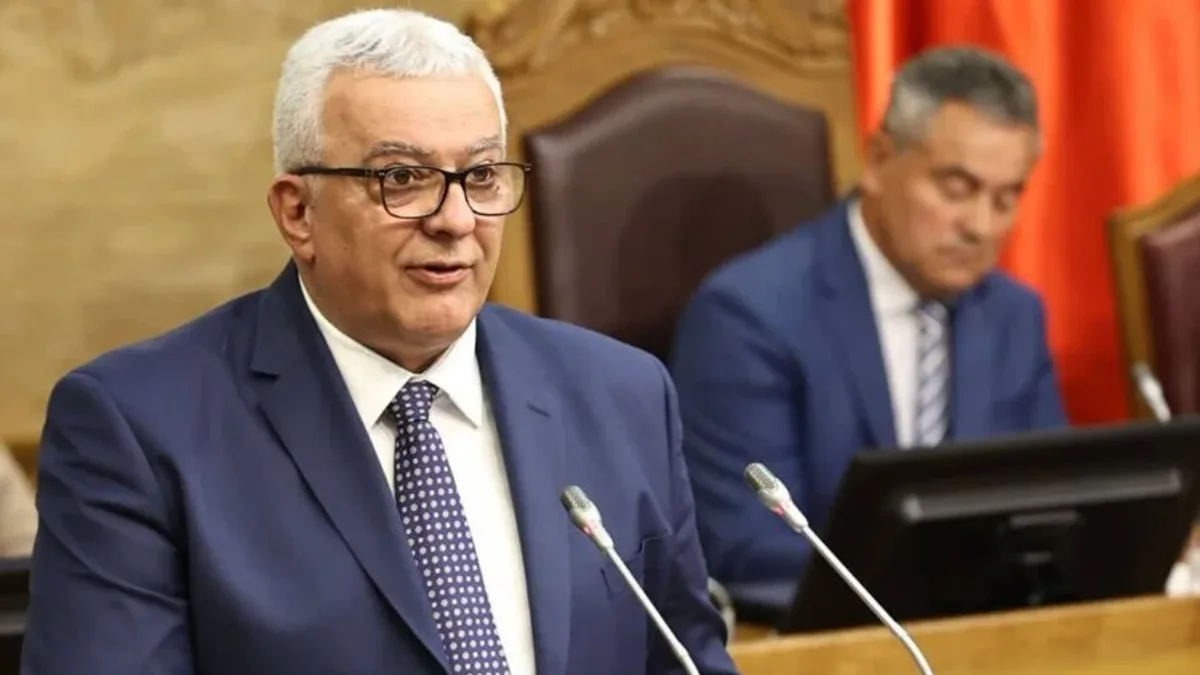
Montenegro's parliament speaker Andrija Mandic put motions for his own removal on the agenda, while the government approved constitutional amendments on integrity checks the same day.
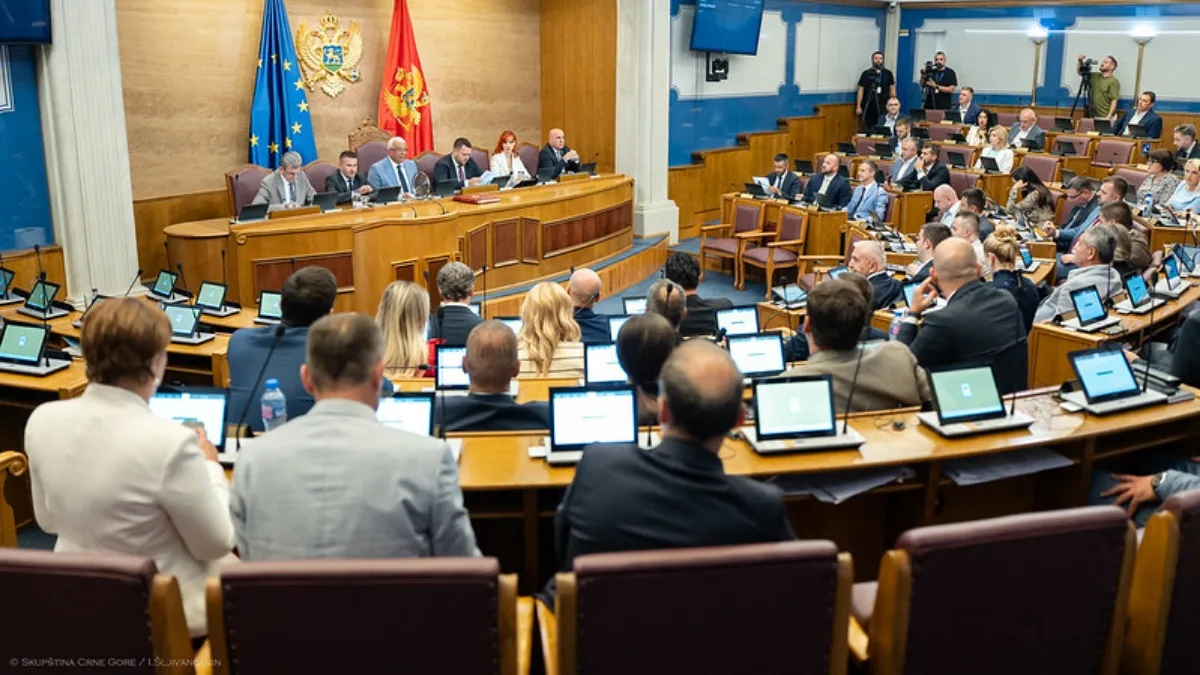
Montenegrin parliament speaker Andrija Mandic has called a session for Tuesday, October 13, at 2 p.m., with motions for his own removal among the first items on the agenda, including one filed by his own party, the New Serb Democracy (NSD). The decision came after a leaders’ meeting that lasted about ten minutes, and the same day the government in Podgorica approved amendments to Article 103 of the Constitution on integrity checks for candidates for prime minister and ministers. The outcome of the vote was not known at the time of writing.
For neighboring Montenegro, which is negotiating European Union membership, the two events are not separate stories. The constitutional changes are tied to obligations under negotiating chapters 23 and 24, and the dispute over them has now spilled over into the question of who chairs parliament.
What did Mandic propose at the leaders’ meeting?
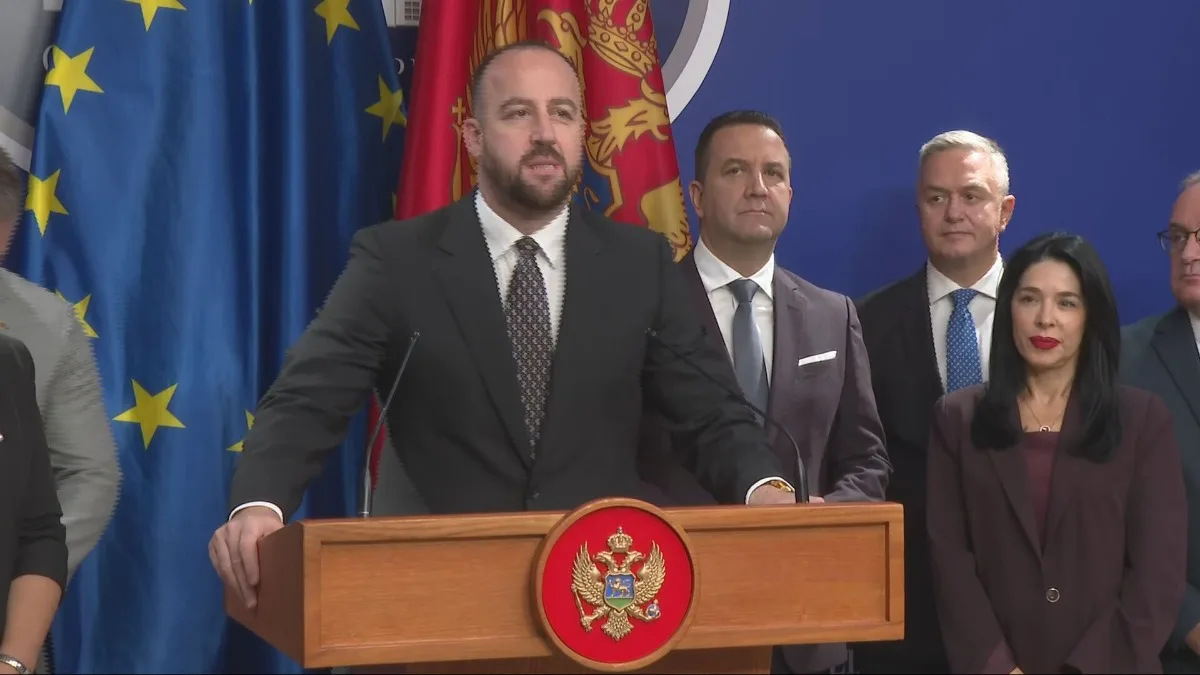
Representatives of all ruling and opposition caucuses attended, among them Vasilije Carapic (Europe Now Movement, PES), Andrija Nikolic (DPS), Boris Mugosa (European Alliance), Adrijan Vuksanovic (HGI) and Vladislav Bojovic (DNP). Mandic proposed four items: the opposition’s initiative and the NSD initiative for his dismissal, plus bills on foreigners and on apartments.
Carapic told reporters that the opposition refused at the meeting to debate his removal that day:
“Believe it or not, the opposition refused to debate the initiative to remove Mandic today.”
He added his own conclusion about the opposition’s motives in the same statement:
“There is no need for further elaboration, Mandic is not the problem for them, the constitutional changes on integrity are.”
Nikolic, who leads the DPS caucus, said Mandic proposed at the meeting a debate on the initiative submitted by the opposition and on the one filed by the NSD, as well as on the apartments and foreigners bills. He said the DPS finds it unacceptable that a session is called “today for today,” which he called uncivil and undignified. The DPS will still take part in the debate, he said.
What does the NSD say in its proposal?
Mandic’s party cited Article 9, paragraph 1 and Article 15 of the Rules of Procedure of Parliament, and justified the proposal by a wish for broader consensus on the constitutional changes. The NSD statement reads:
“I am submitting the proposal to dismiss the President of the Parliament of Montenegro together with other MPs, in accordance with Article 9, paragraph 1, in connection with Article 15 of the Rules of Procedure, with the aim of encouraging political dialogue and reaching broader consensus on issues of key importance for European integration. In its current term, the Parliament of Montenegro has achieved exceptional results on the European path, making a strong contribution to aligning legislation with the acquis of the European Union and accelerating reform processes. Bearing in mind the importance of the constitutional changes for meeting obligations under negotiating chapters 23 and 24, it is necessary to make additional efforts to secure the broadest possible political support.”
Why are the opposition and the majority clashing over the vote?
Nikolic recalled that no vote on removal was held on September 24 either, when, as he claims, Mandic barred majority MPs and journalists from entering the chamber and prevented a vote on the request for his removal. RTCG reports that in September the initiative did not reach the agenda because there was no quorum. Nikolic said today that over the past month Mandic had “bought time to secure enough votes with his helpers.”
According to him, 38 MPs have announced they will vote for removal, but he does not know whether all of them will come to the session. The rule is clear, Nikolic said:
“The president of parliament is removed by a majority of the MPs present.”
Mugosa said the opposition is ready for agreement, but not for pressure. He put it this way:
“We are inclined to talk, but to blackmail, ultimatums and imposed solutions, we are not.”
Vuksanovic said any amendment to the Constitution requires a serious procedure and added a remark about how parliament works:
“We asked for it a month ago, and look when it was held.”
He was referring to the leaders’ meeting. According to Nikolic, the DPS received the updated proposal for the constitutional changes only that morning, and debate on them follows the vote on Mandic.
What do the government’s amendments to Article 103 prescribe?
The government approved amendments under which an integrity check is carried out before a prime minister designate and candidates for government members are proposed, to establish the risk of conflicts of interest. A candidate who refuses to take part in the check, or in whose case a risk is found that has not been removed in the way set by law, cannot be proposed.
The results of the check are published, and Parliament takes them into account when electing the government. The president of the state proposes the prime minister designate within 30 days of the constitution of Parliament, after the candidates have been checked, and submits the results with the proposal.
One provision excludes from election as prime minister or government member anyone finally convicted of a criminal offense with an element of corruption. The proposer gives bribery in business dealings, both taking and giving, as examples. In its explanation, the government cites recommendations from GRECO and the Venice Commission.
Whether the 2 p.m. session will decide on Mandic, and whether debate on the amendments will then open, is decided in the chamber, not at a leaders’ meeting.