NASA Reactivates Swift Telescope Ahead of Reentry
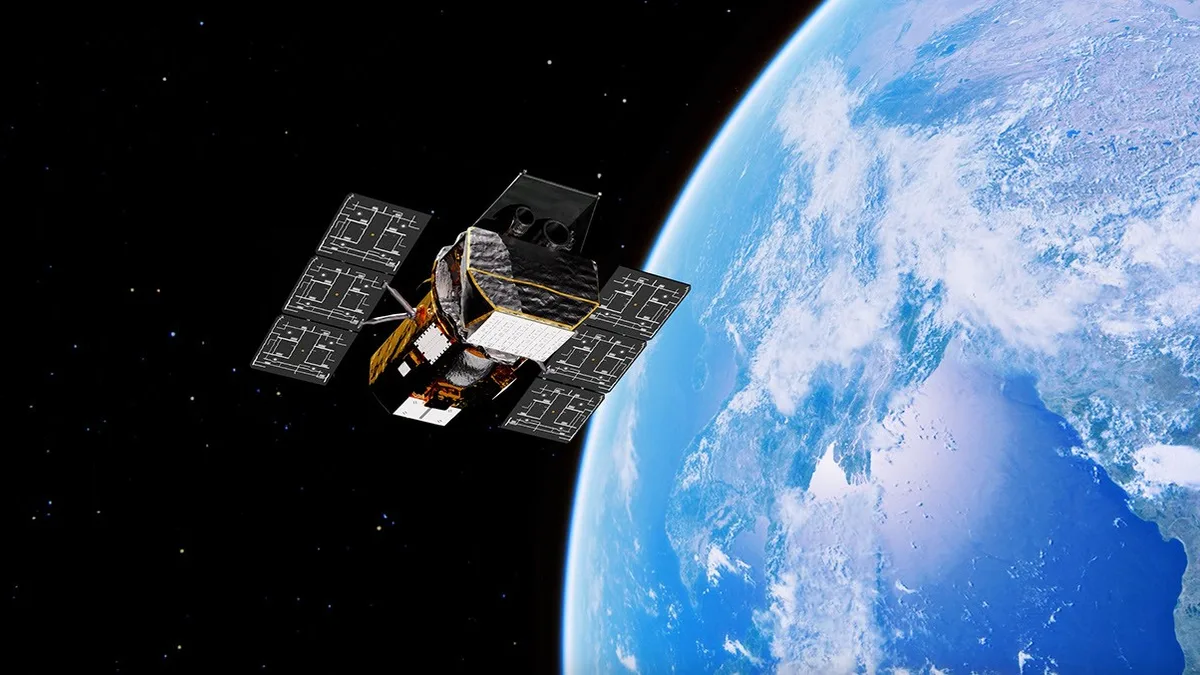
NASA reactivated two of three instruments aboard the Swift observatory after a private rescue mission failed. The telescope has one to two months left above the critical altitude of 300 kilometers.

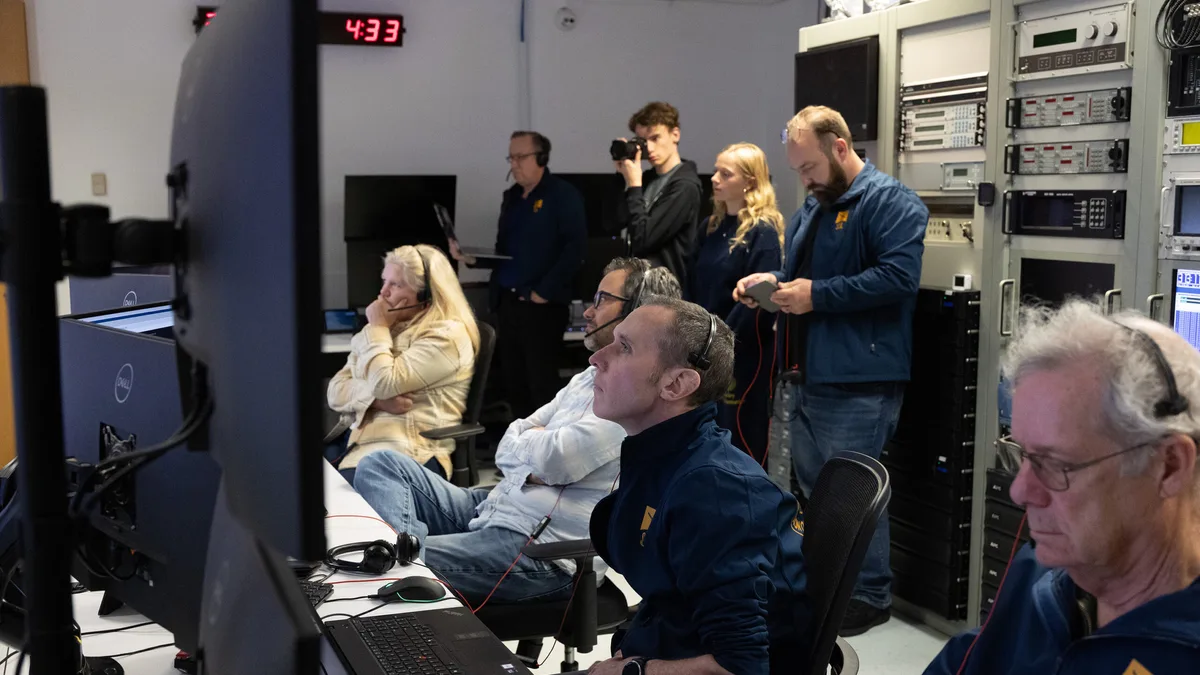
NASA switched two of three science instruments back on aboard the Swift observatory on August 26, 2026, the X-ray Telescope and the Ultraviolet/Optical Telescope, after a private rescue mission failed to reach it. The agency estimates the observatory has one to two months left above its critical operating altitude, with an uncontrolled reentry not expected before October.
In brief:
- Two of Swift’s three instruments have been running again since August 26, 2026; the third remains off
- The attempt to have the private spacecraft LINK boost Swift into a higher orbit was officially called off on August 19, 2026
- NASA expects the observatory to drop below its critical altitude within one to two months, with atmospheric reentry unlikely before October
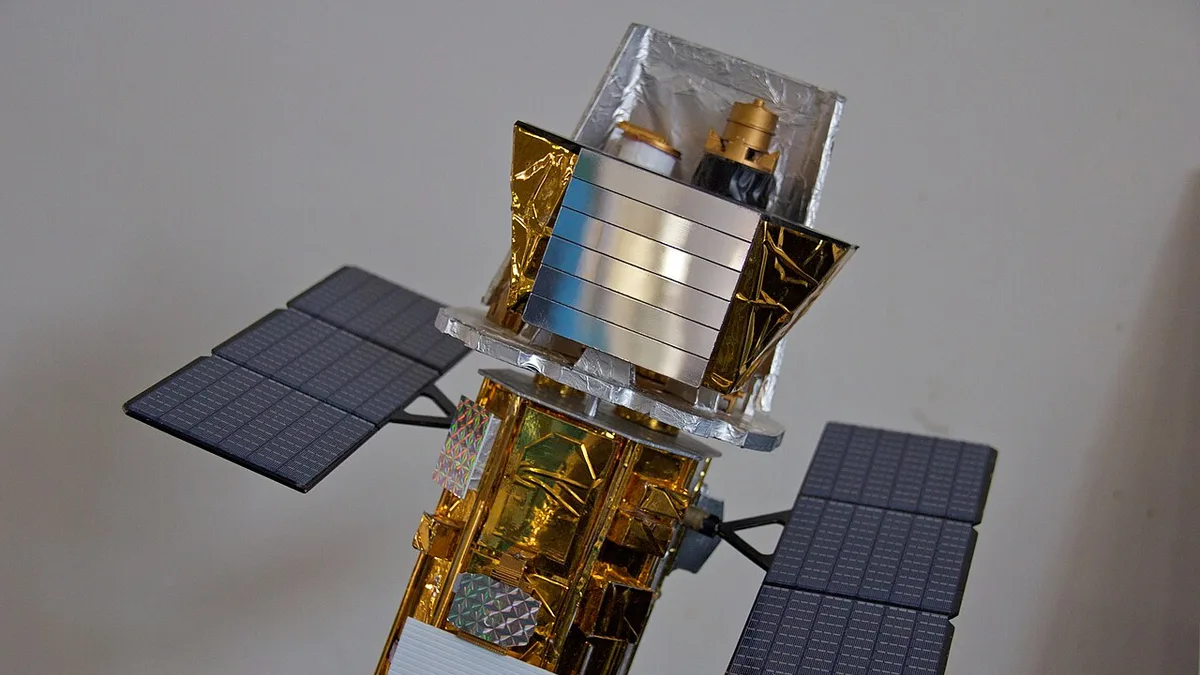
The Neil Gehrels Swift Observatory launched in November 2004 on a planned two-year mission. It has now spent 21 years in orbit, becoming one of NASA’s most versatile telescopes, able to swing its instruments toward sudden, short-lived cosmic events and alert other observatories on Earth and in space almost immediately.
Why is Swift losing altitude?
The observatory’s main problem is its low orbit. Even hundreds of kilometers above Earth, traces of atmosphere create drag that gradually slows the spacecraft and lowers its path. Swift has no propulsion system of its own to counter that pull, so the effect cannot be corrected directly. Heightened solar activity has made things worse, warming and expanding the upper layers of Earth’s atmosphere and increasing drag on satellites in low orbit. As a result, Swift has been losing altitude faster than NASA originally projected.
To slow that decline, the agency switched off the X-ray Telescope and the Ultraviolet/Optical Telescope in February 2026, then shut down the third instrument, the gamma-ray burst detector known as the Burst Alert Telescope, in April, cutting power use and allowing a different solar panel orientation that further reduces drag. That instrument is still off.
At the same time, in September 2025 NASA signed an unusual $30 million contract with the Arizona company Katalyst Space Technologies to design, build and launch a spacecraft that would approach Swift, capture it and lift it into a higher orbit. The company had one year to complete the job.
The spacecraft LINK launched on July 3, 2026, aboard a Northrop Grumman Pegasus XL rocket, designed, built and launched in just nine months. In late July, however, LINK suffered a failure in its attitude control system: it began spinning uncontrollably, and contact with it was disrupted. Ground teams managed to slow the spin, but the loss of an actuator burned through its fuel far faster than planned and cost it the precision needed to capture Swift. NASA and Katalyst officially announced on August 19, 2026, that the orbit-boost attempt had been called off.
“This isn’t the outcome we wanted, but I think it’s very important to recognize the unusual scale of the undertaking. This was an ambitious high risk, high reward mission, in which we designed, built and launched a space robot in nine months.”
Said Ghonhee Lee, chief executive of Katalyst Space Technologies, the day after the cancellation was announced.
The mission isn’t entirely over. Katalyst still plans to bring LINK close to Swift to carry out rendezvous and proximity maneuvers, testing technologies for future in-space satellite servicing, including missions in which one spacecraft approaches another and operates alongside it. Boosting Swift into a higher orbit, though, is no longer the goal.
With the rescue attempt off the table, NASA turned back to science operations. Mission controllers restarted the X-ray Telescope and the Ultraviolet/Optical Telescope on August 26, 2026. The third instrument, the gamma-ray burst detector, remains switched off, and the team expects to bring it back online within the next few weeks.
When will Swift reenter the atmosphere?
Getting back to work also means a faster fall. The critical threshold is 300 kilometers, or 185 miles: below that altitude, operating the telescope becomes considerably harder, and the descent speeds up further as atmospheric drag increases. NASA expects Swift to cross that line within the next one to two months.
Alise Fisher, a spokesperson for NASA’s Astrophysics Division at agency headquarters, confirmed the observatory will not have a controlled descent: “Yes, Swift will have an uncontrolled reentry,” she said, adding that atmospheric entry isn’t expected before October and that the agency will keep providing updates as the observatory comes down.
What NASA has not said yet is exactly when or where Swift will reenter. The one-to-two-month estimate depends on further solar activity and the density of the upper atmosphere, both of which shift from week to week and are difficult to forecast in advance. It also isn’t known whether any part of the observatory will survive reentry and reach the ground, and the agency has not yet published a risk assessment for populated areas. Until then, NASA says, Swift will keep watching the sky and collecting data as its orbit gradually shrinks.